On an unfortunate day in Kaduna State, a military drone misfired near the Kaduna International Airport, and the community of Tudun Biri was forever changed. Lives were lost. Bodies were broken. A nation mourned. It was the kind of tragedy that could have fractured a community along ethnic, religious, or political lines. It was the kind of disaster that could have ignited reprisals, deepened distrust, and left a scar on the conscience of the nation.
But that did not happen.
Instead, Tudun Biri has become something far more remarkable. It has become a testament to what is possible when federal might, state compassion, and community resilience converge under the banner of the Renewed Hope Agenda. What we witnessed on our inspection tour was not merely a reconstruction of houses. We witnessed the reconstruction of trust.
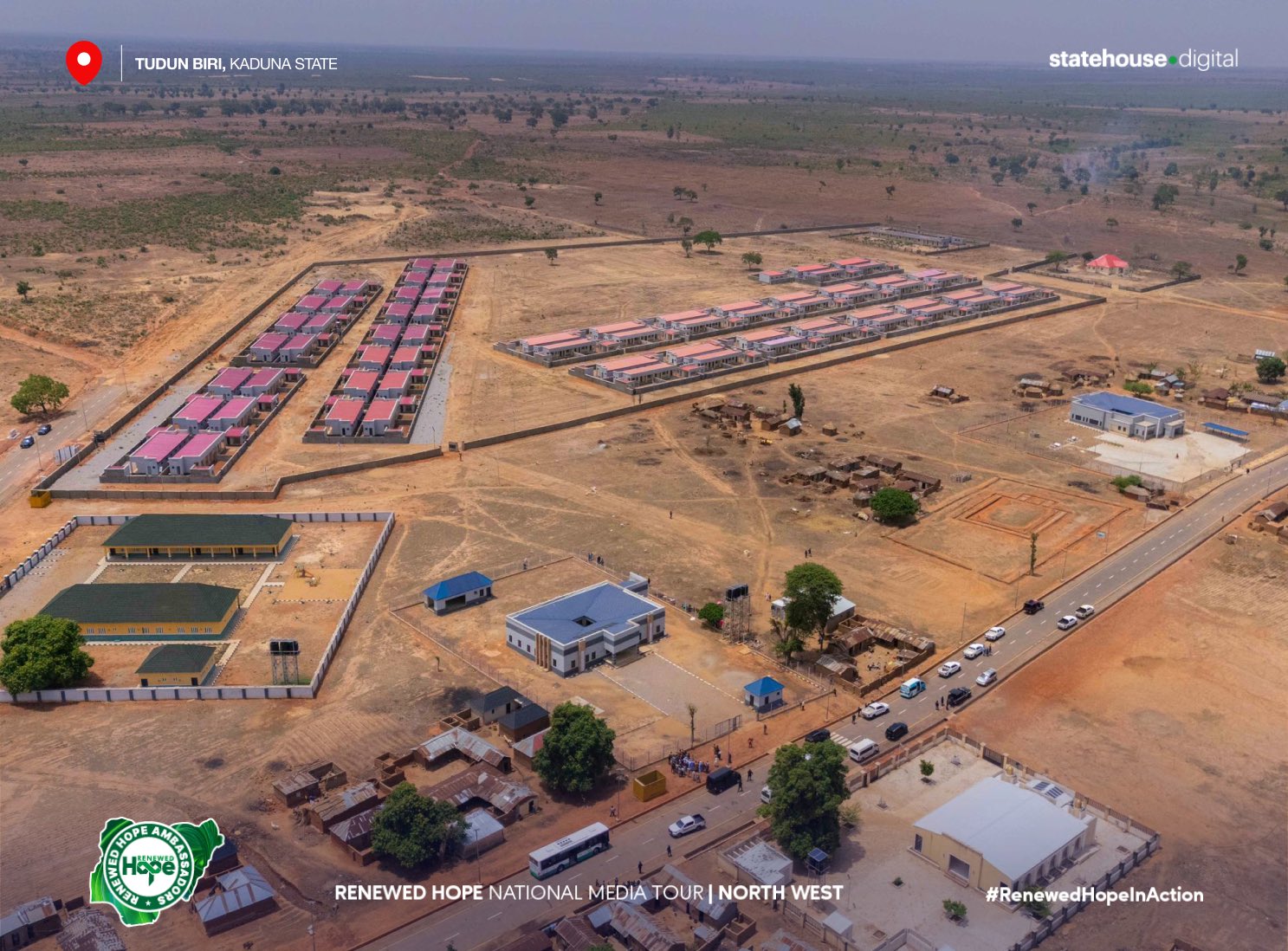
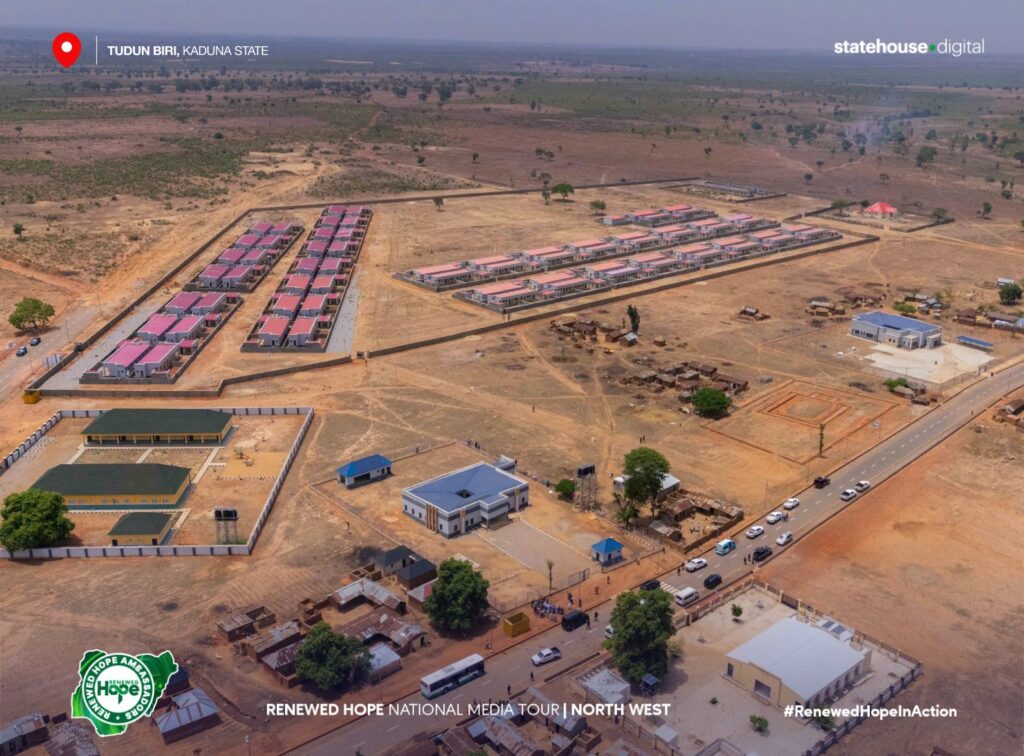
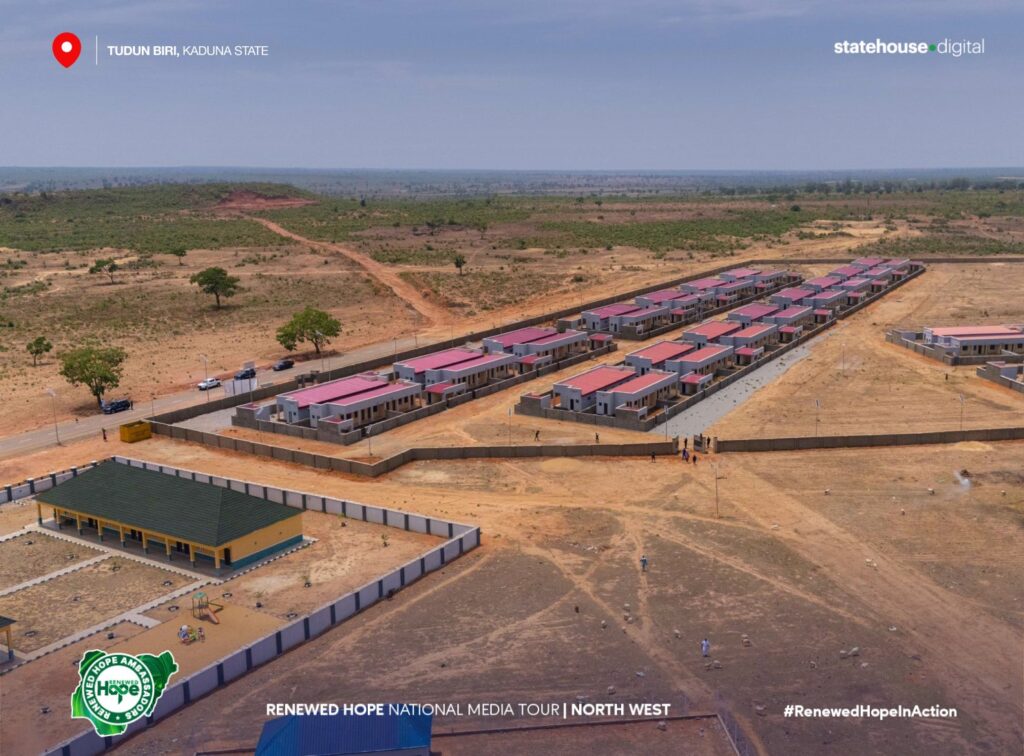
The federal government moved first. It constructed 134 housing units in Phase One of a resettlement scheme, commissioned by the Vice President himself.
Every affected family, including the families of the deceased, received allocation. This was not charity. This was restitution. This was a government acknowledging a mistake and choosing to respond not with legal evasion but with concrete, dignified housing.
But the federal response, commendable as it was, only laid the foundation. Governor Uba Sani’s administration built upon it with the kind of deliberate, inclusive governance that Kaduna State has not always known.
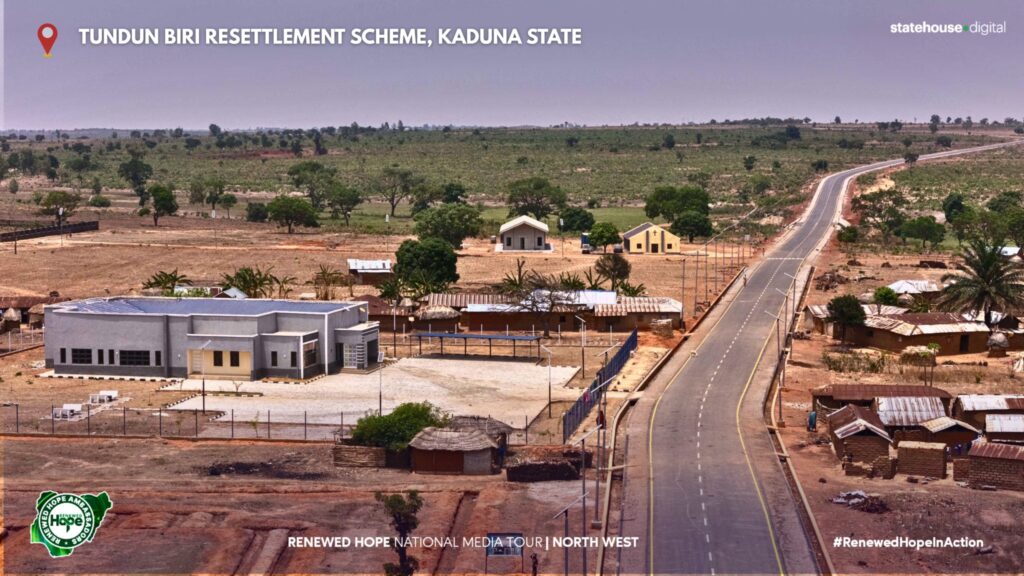
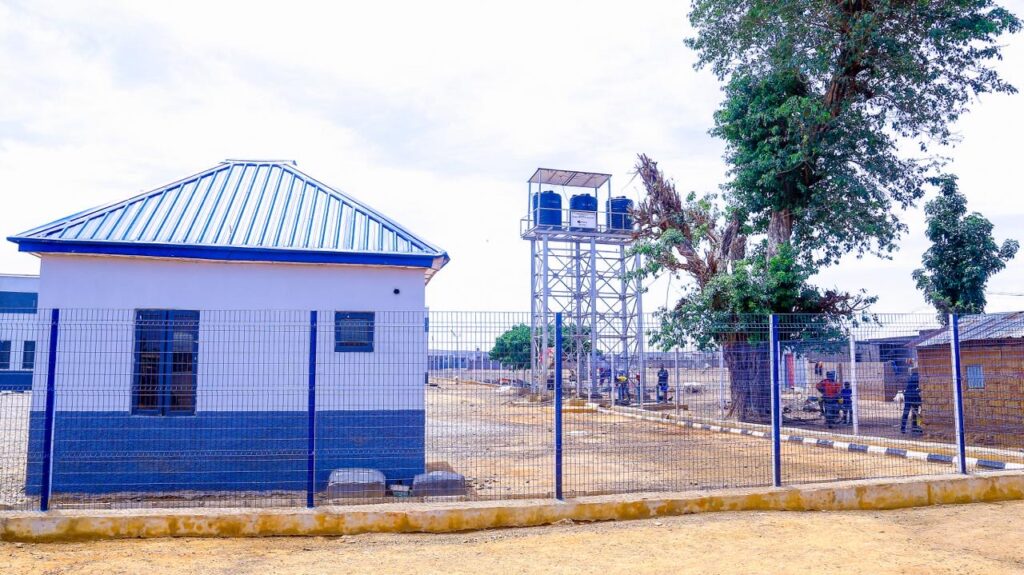
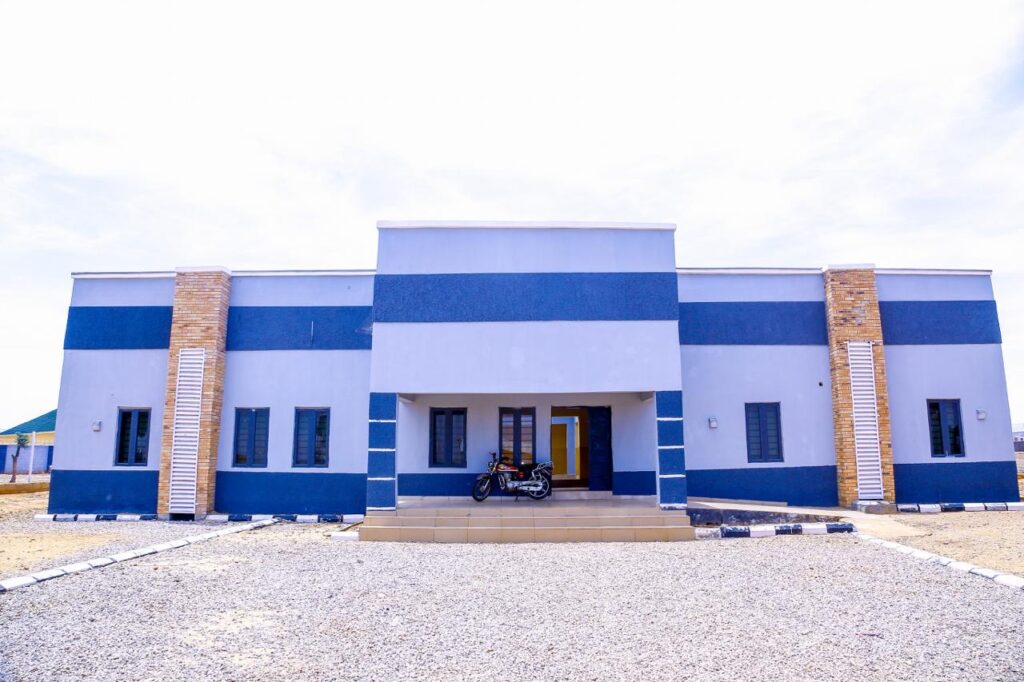
The state government constructed a six kilometre road, installed solar powered streetlights, built a Level 2 health facility, and established a skill acquisition centre for the youth.
These are not cosmetic additions. These are the pillars of sustainable community development.
Yet, the most extraordinary aspect of Tudun Biri is not what government built. It is what the people preserved.
In an age where cynics insist that Nigeria is irredeemably divided along religious lines, Tudun Biri offers a powerful rebuttal. The drone struck a mosque. Muslims were the primary victims.
Yet, it was the Christians of Tudun Biri who led the rescue efforts. They rushed into danger to save their Muslim neighbours.
Not a single person turned against another. There were no reprisals. No attacks. In the face of unspeakable tragedy, they chose unity.
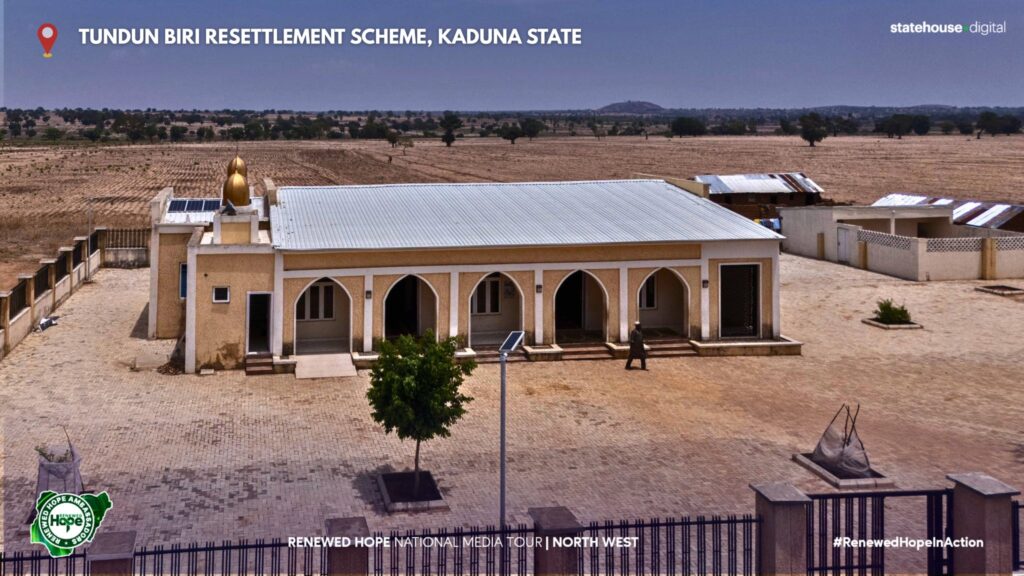
Governor Uba Sani understood the weight of that moment. He did not merely rebuild the mosque. He also rebuilt a church, even though the church had not been affected by the blast. That is not governance by necessity. That is governance by symbolism, by intentionality, by the deliberate cultivation of harmony. A house allocated to a Muslim sits next to a house allocated to a Christian. A farmland allocated to a Muslim sits next to a farmland allocated to a Christian. This is not accidental. This is architectural unity.
The Nigerian Army, to its credit, also stepped up, building a small school for the community as part of its corporate social responsibility. And when farmlands were taken for resettlement, the state government replaced them, hectare for hectare, with Certificates of Occupancy, ensuring that a farming community could return to its livelihood.
This is the governance philosophy of Governor Uba Sani. He inherited a state that was, by many accounts, deeply divided and toxic. The Kaduna he met was one where religious and ethnic fault lines were routinely exploited for political gain. But he has made a deliberate choice to transition from division to unity. Sensitivity to inclusion and religious balance is now observed even in the award of contracts and the allocation of projects across the state. The 150 roads his administration has built are distributed equitably across the three senatorial districts. This is not favouritism. This is fairness codified into policy.
This as an example of federal and state partnership under the Renewed Hope Agenda. The increased FAAC allocations made possible by President Bola Tinubu’s bold decision on fuel subsidy removal gave states the fiscal room to undertake projects of this scale. But fiscal capacity alone does not guarantee wisdom. Governor Uba Sani chose to spend that money on healing. He chose to spend it on unity. He chose to spend it on a community that the rest of the nation had only known as a symbol of tragedy.
Tudun Biri now stands as a different kind of symbol. It is a symbol of what happens when a government refuses to abandon its people. It is a symbol of what happens when neighbours remember their shared humanity before their differing prayers. It is a symbol that Nigeria can still get it right.
We have spent decades lamenting our divisions. We have written countless editorials about the dangers of religious politics. We have wrung our hands over the fragility of our national unity. But Tudun Biri suggests that the blueprint for unity already exists. It requires federal commitment. It requires state level intentionality. And it requires communities that choose rescue over revenge.
Today, Kaduna is more united than it was. Kaduna is more peaceful and more secure. And Tudun Biri stands as living proof that tragedy, when met with competence and compassion, can become transformation.
The question now is simple. Can the rest of Nigeria learn from this community of Christians and Muslims who rebuilt a mosque and a church, who placed houses of different faiths side by side, who chose to be neighbours when it would have been easier to be enemies?
If Tudun Biri can do it, so can we all.