The Renewed Hope Ambassadors’ Media Tour Of The NW Progress Report
There is a quiet revolution happening in Jigawa State. It is not happening in boardrooms or foreign capitals.
It is happening on the red soils of Nigeria’s most agrarian state, where tractors are being deployed, technicians are being trained, and farmers are being empowered at a scale rarely seen in our nation’s history.
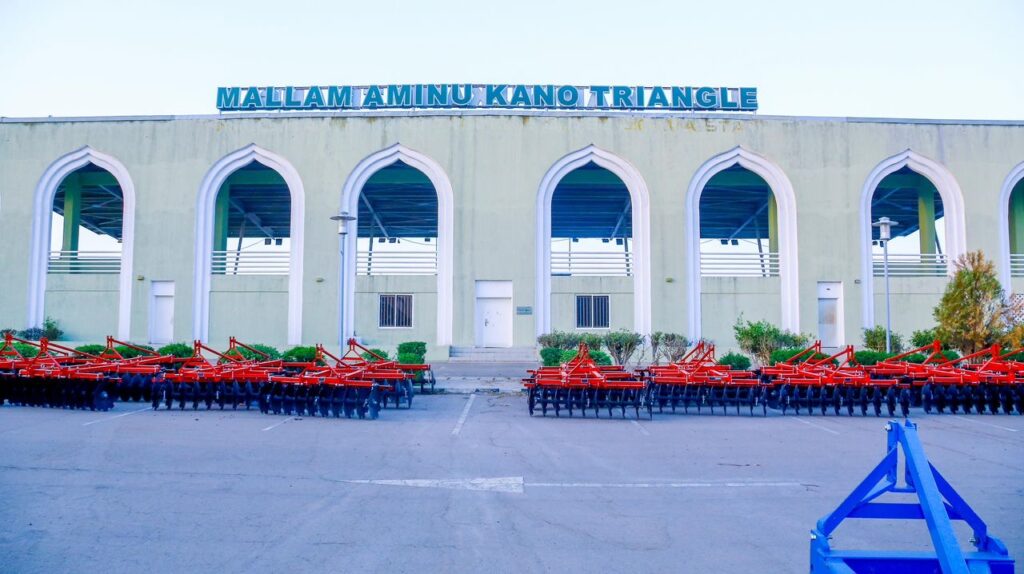
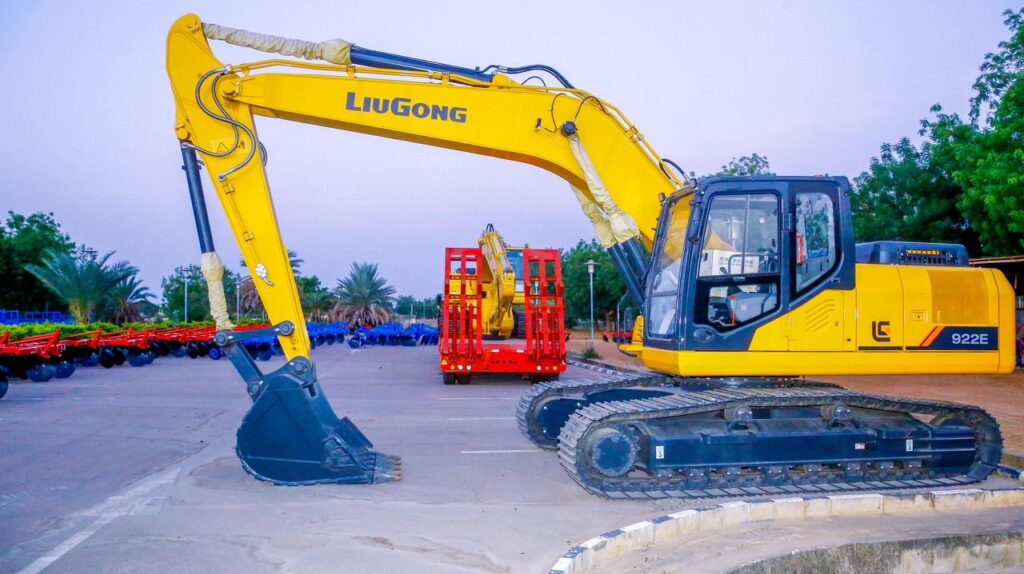
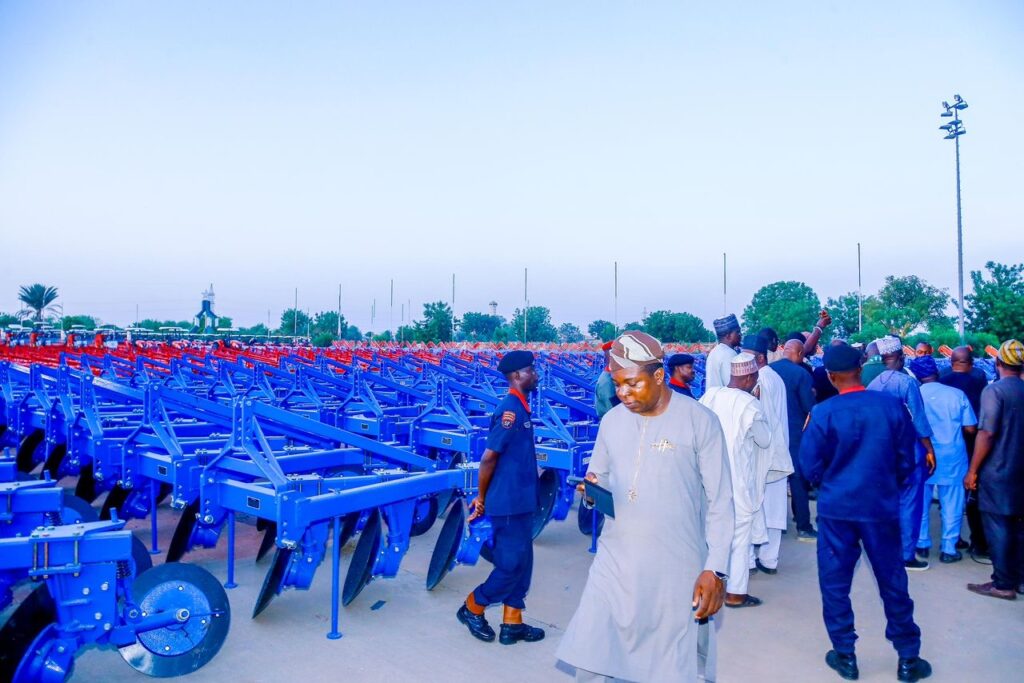
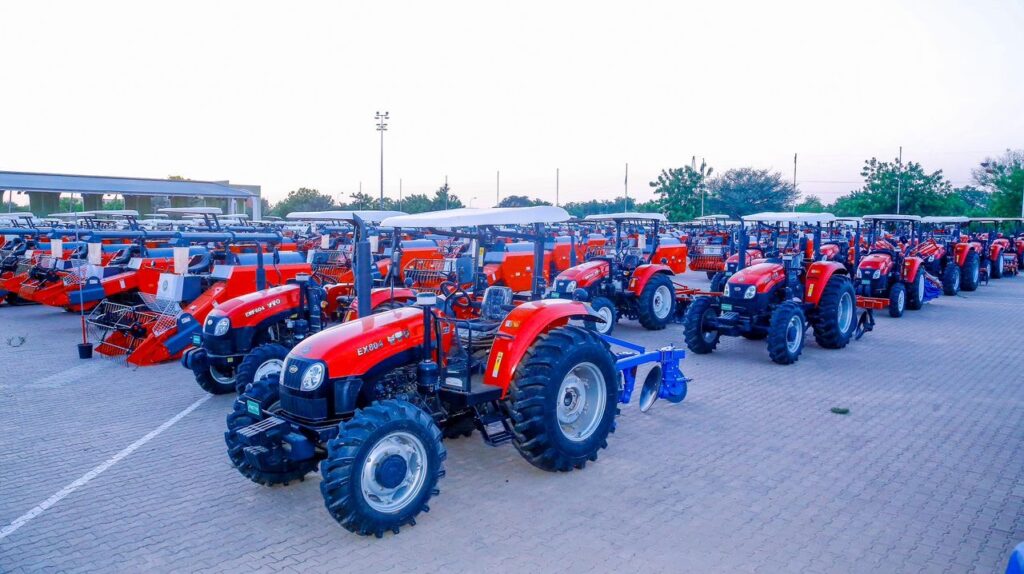
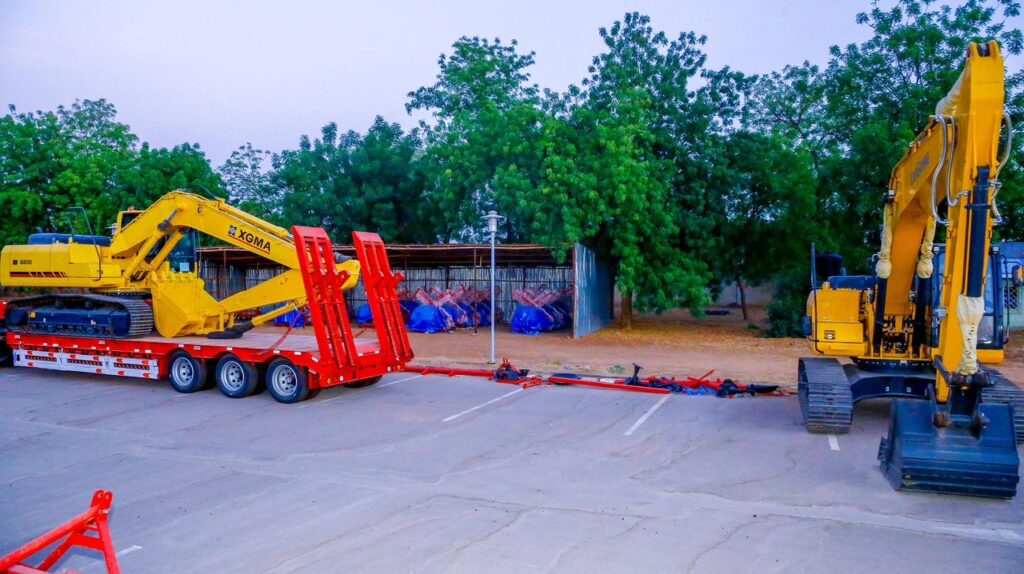
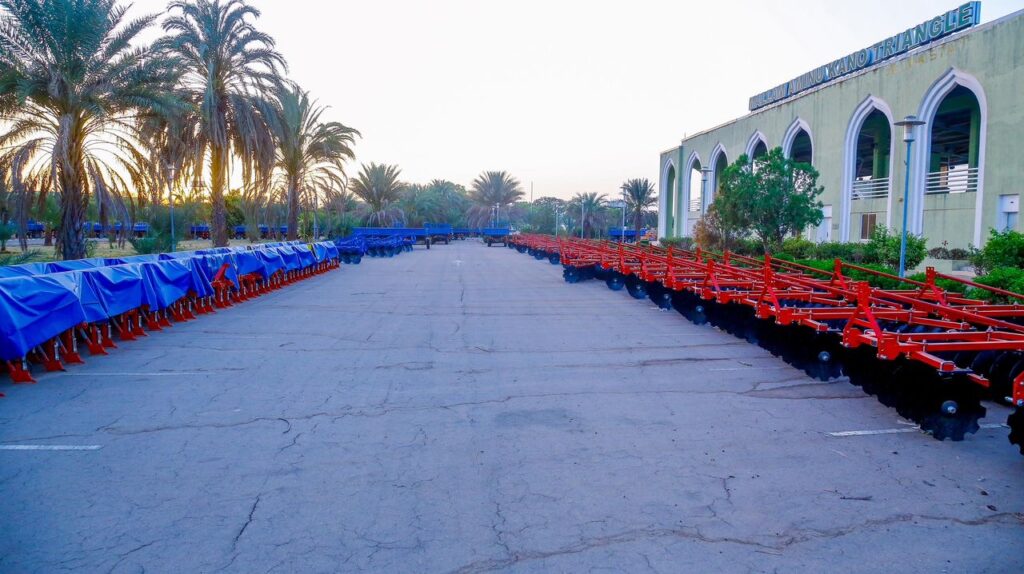
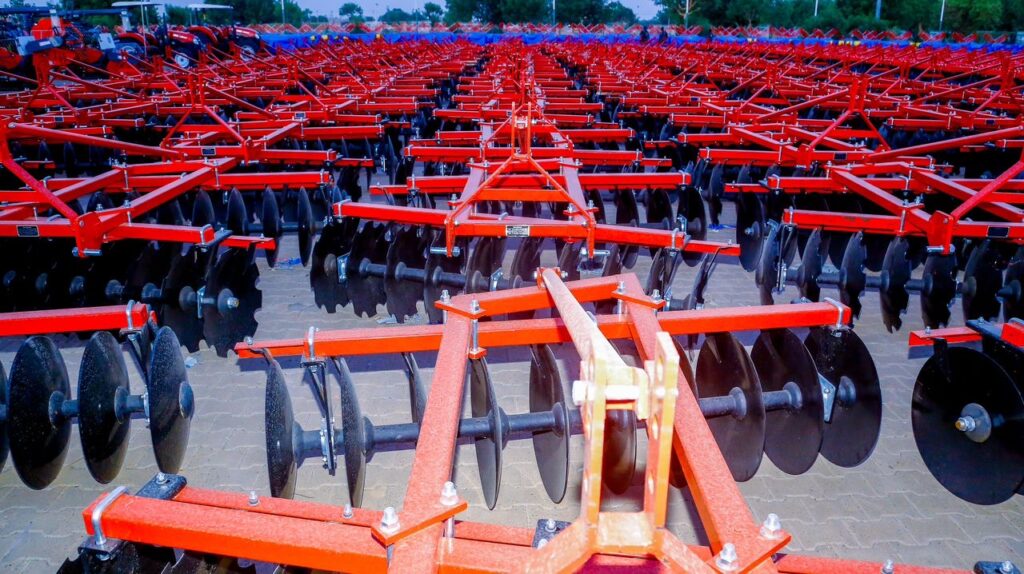
I visited the Aminu Kano Triangle, a replica of Eagle Square in Abuja, where the Jigawa State Agricultural Mechanization Agency is displaying its arsenal of agricultural equipment. What I saw was not a photo opportunity.
It was a statement of intent.
Jigawa State, already the first producer of hibiscus, sesame, and sorghum in the country, and the second largest producer of rice, is not content with its accolades. It wants more.
And under the leadership of Governor Umar Namadi, working squarely within President Bola Ahmed Tinubu’s Renewed Hope Agenda on food security, the state is getting exactly that.
Consider the numbers.
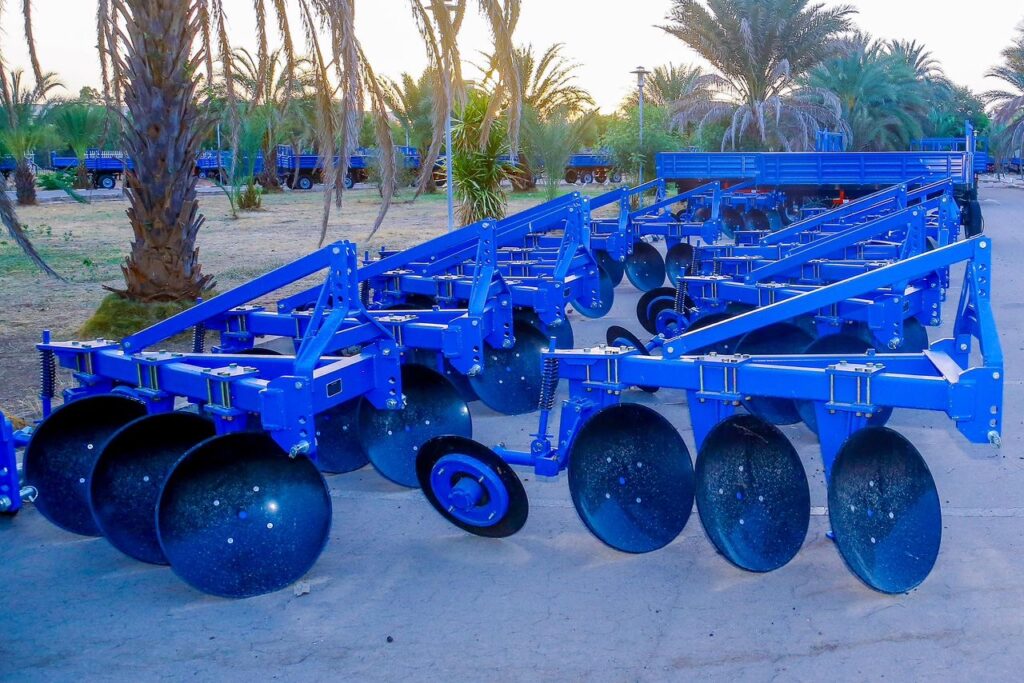
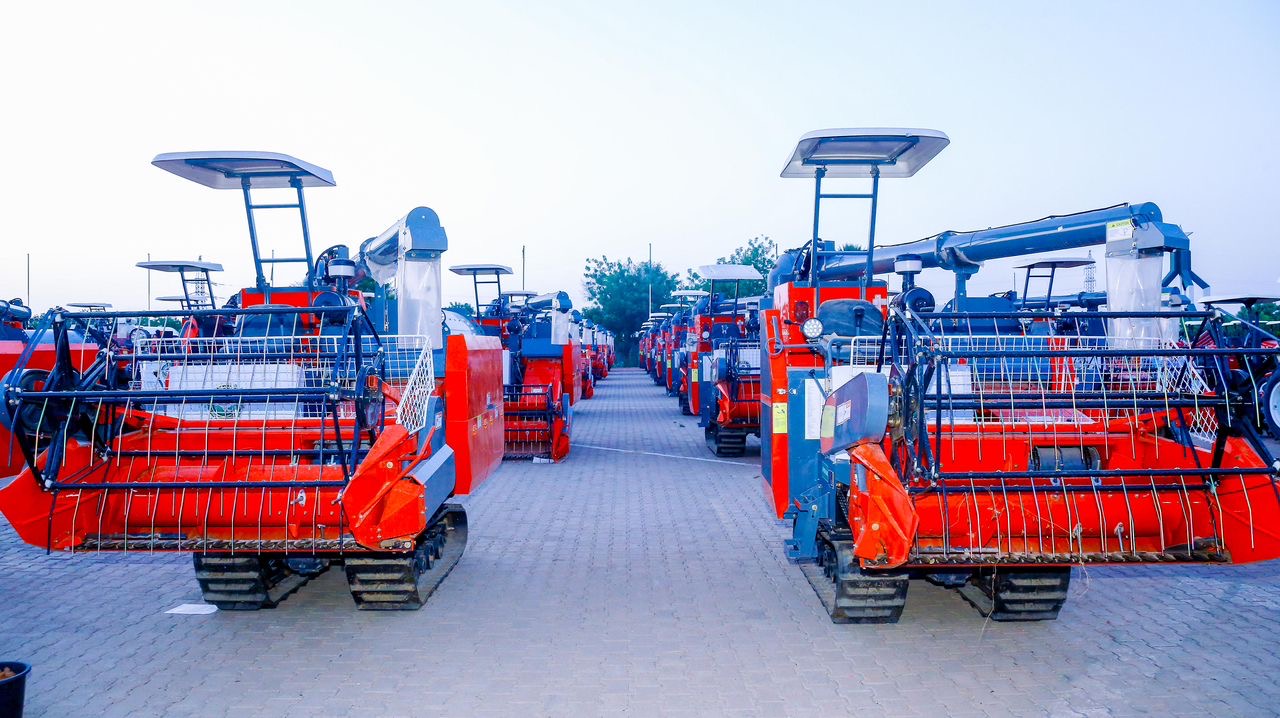
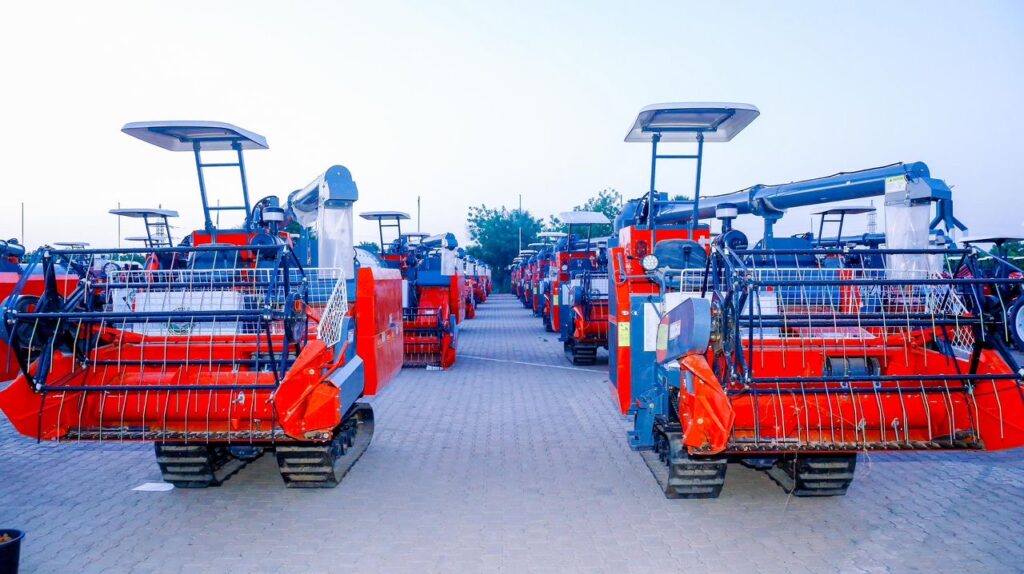
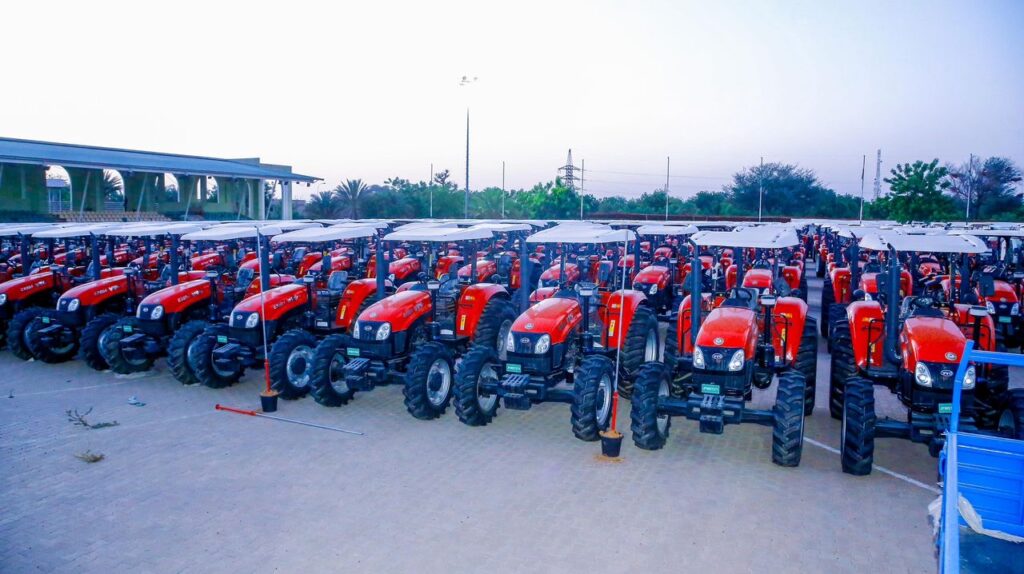
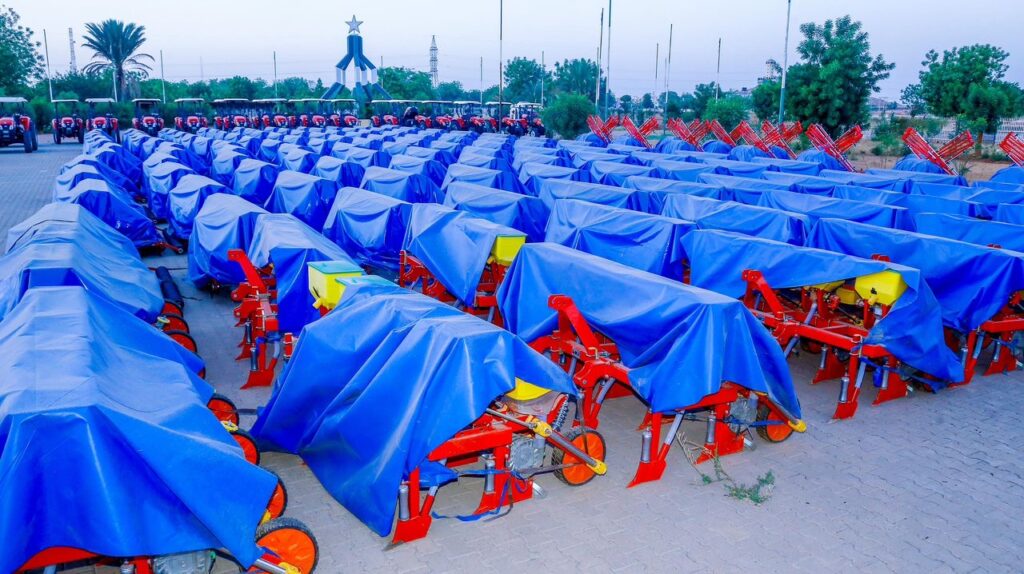
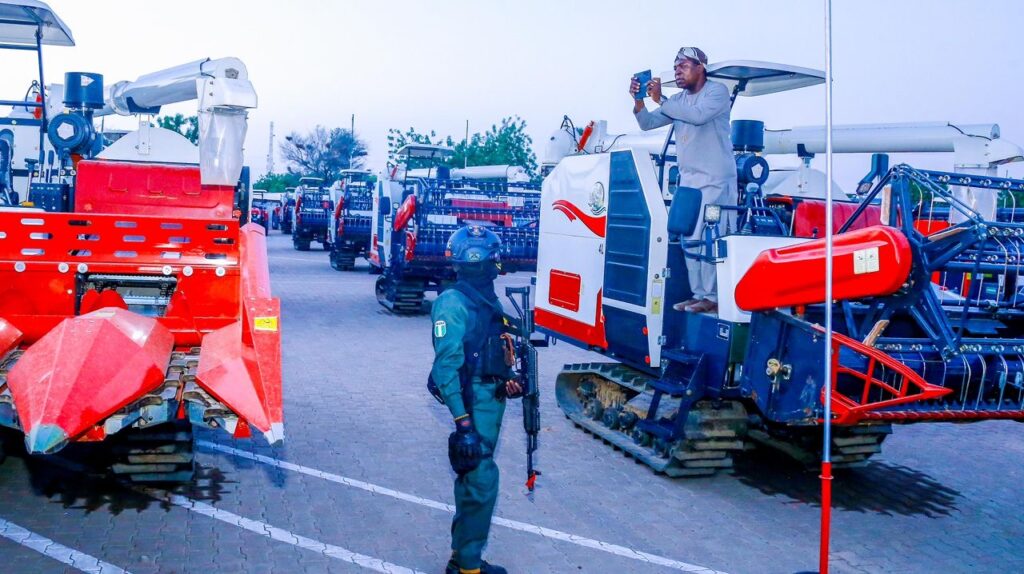
300 brand new tractors complete with implements. 80 boom sprayers. 60 combined harvesters. 150 rice seeders. 150 maize seeders. This is not a token gesture.
This is a mechanized assault on poverty and food insecurity. The state has established the Jigawa Farm Mechanization Service Company, not as a political talking point, but as a functional, operational entity with a headquarters in Dutse and tentacles reaching every corner of the state.
But here is what separates this initiative from the usual government announcements.
Sustainability.
Across the 30 political constituencies, the state has established 60 service centers, two per constituency. Each center has a manager. Each center sits on 10 hectares of land for demonstration and research, allowing farmers to see technologies in practice before adopting them.
30 technicians were trained in China on assembly, operation, and maintenance.
They returned and trained another 30 local technicians, creating a pool of 60 maintenance professionals. Additionally, 360 operators were trained to handle the machines. And here is the kicker.
All of them were given permanent and pensionable appointments by the Governor. Not casual contracts. Not political patronage. Real jobs.
Then there is the security dimension. Three hundred and ten security personnel, five per center, have been employed to safeguard this equipment.
In a region where banditry and theft have often undermined agricultural investments, this is not an afterthought. It is a prerequisite. The state is not just buying tractors and hoping for the best. It is building a protective infrastructure around its investment.
The headquarters is still under construction, and the state is awaiting President Tinubu to officially commission the company. But everything else is in place. Farmers are eager.
The equipment is ready.
The technicians are stationed.
This is what the Blueprint newspaper rightly described as a skill acquisition centre modelled after Tinubu’s Renewed Hope Agenda.
And the Leadership newspaper captured the essence of the policy: a commitment to providing food security and jobs.
This is not a coincidence. The increased FAAC allocations made possible by the President’s bold decision on fuel subsidy removal have given states like Jigawa the fiscal space to dream big.
But fiscal space alone does not guarantee vision. Governor Namadi has chosen to spend that money on mechanization, on training, on security, and on sustainability.
He has chosen to invest in the farmer who wakes up at dawn, in the technician who keeps the tractor running, and in the youth who now has a pensionable job in his own state.
The critics will say that agriculture is not glamorous. They will say that tractors do not win elections. But food on the table wins elections. A farmer who can send his child to school because his harvest is no longer rotting in the field wins elections.
A young person who has a permanent job in a service center wins elections. And a nation that does not have to beg for rice or worry about hunger wins the future.
Jigawa State has shown what is possible when a governor understands that agriculture is not a sidebar to development. It is development.
When you mechanize farming, you do more than increase yields. You create jobs. You reduce drudgery. You attract young people back to the land. You build a buffer against inflation and import dependency. You make food security a reality, not a slogan.
President Tinubu has repeatedly said that his administration will not tolerate hunger as a weapon of politics. Governor Namadi has heard that message and translated it into tractors, seeders, harvesters, service centers, trained technicians, and 310 security personnel protecting it all.
The revolution in Jigawa is real. It is happening now.
And when President Tinubu finally commissions this company, he will not be cutting a ribbon. He will be planting a flag. A flag that says Nigeria can feed itself, that the North West can lead, and that the Renewed Hope Agenda is not a political catchphrase. It is a harvest waiting to be reaped.