By Babajide Fadoju
From the crumbling Owerri–Okigwe highway that once broke axles and spirits to the revived FUTO teaching hospital now receiving referrals, and from the upgraded College of Education now reborn as a university to the Sam Mbakwe Airport handling more cargo than ever, this roving reporter found that the federal-state synergy under President Bola Ahmed Tinubu and Governor Hope Uzodimma is delivering change that is visible, measurable and deeply felt by ordinary Imo people.
I know a guy who have driven the Owerri–Okigwe road more times than I care to count. Each trip was a gamble. He would say you could set out from Owerri in the morning, hoping to reach Okigwe before noon, only to spend half the journey dodging craters that looked like bomb craters. Trucks loaded with palm oil and yams would be stranded, their axles snapped, while passengers would alight to push or to find alternative routes through dusty bush paths. The flooding was particularly vicious around the low-lying sections near Anara. After a heavy downpour, the road would disappear entirely, leaving commuters to wade through murky water, their goods hoisted above their heads. Accidents were routine. He recaledl a fatal crash in 2021 involving a petrol tanker that had skidded off a pothole and burst into flames. That image stayed with me.
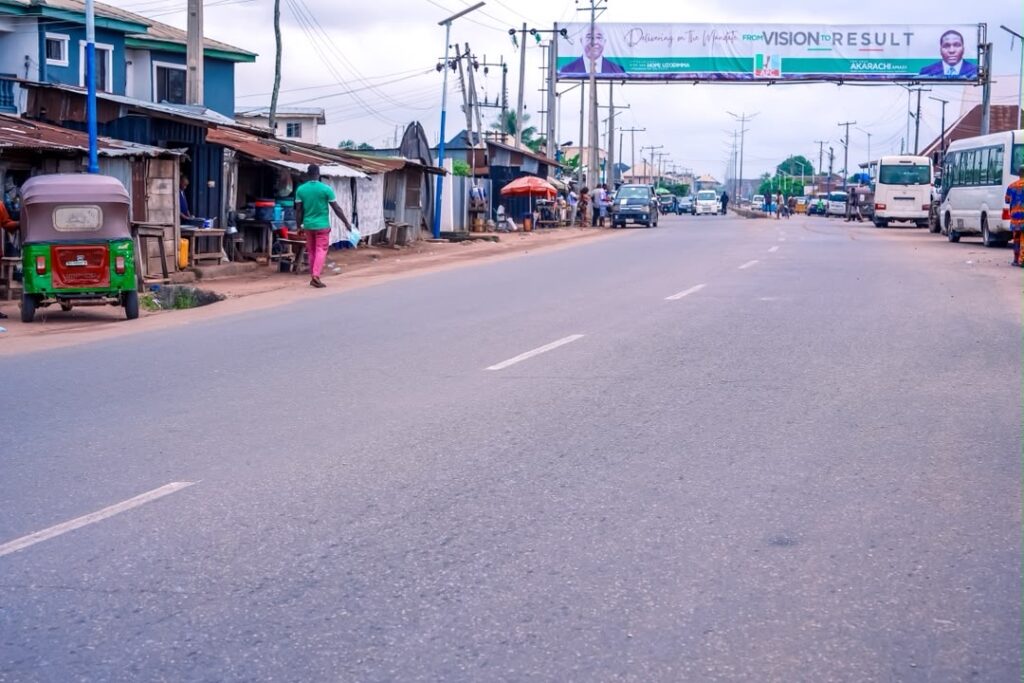
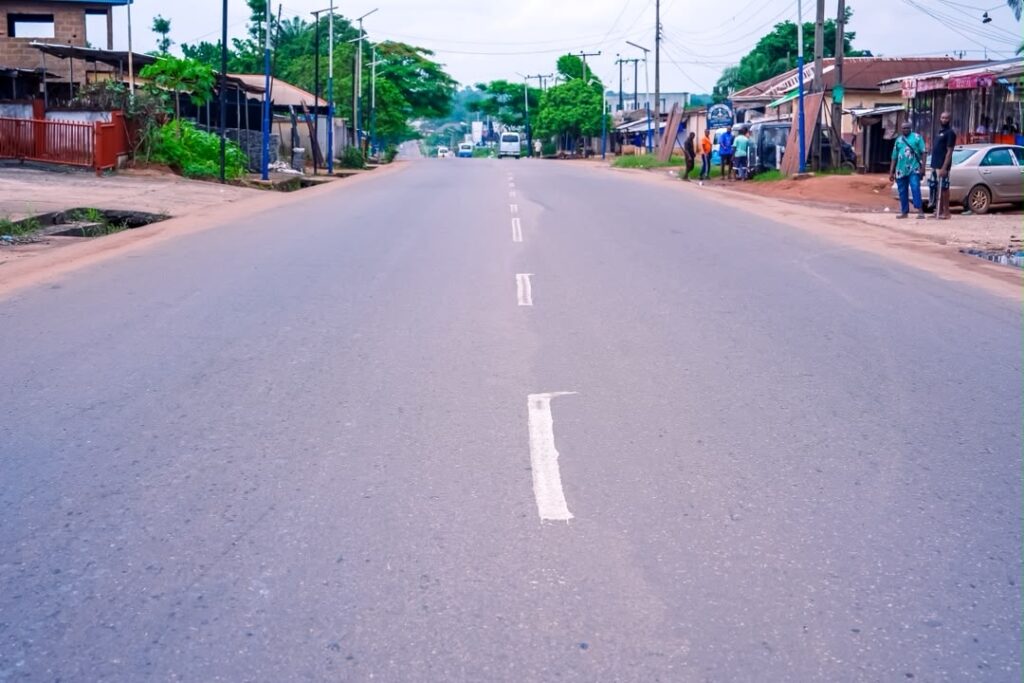
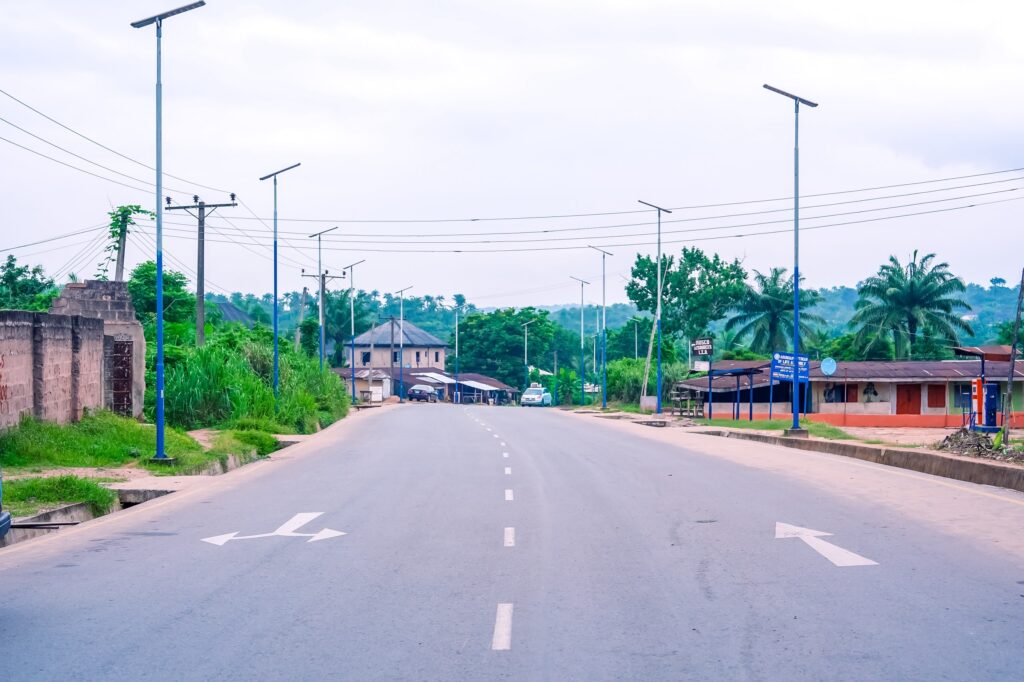
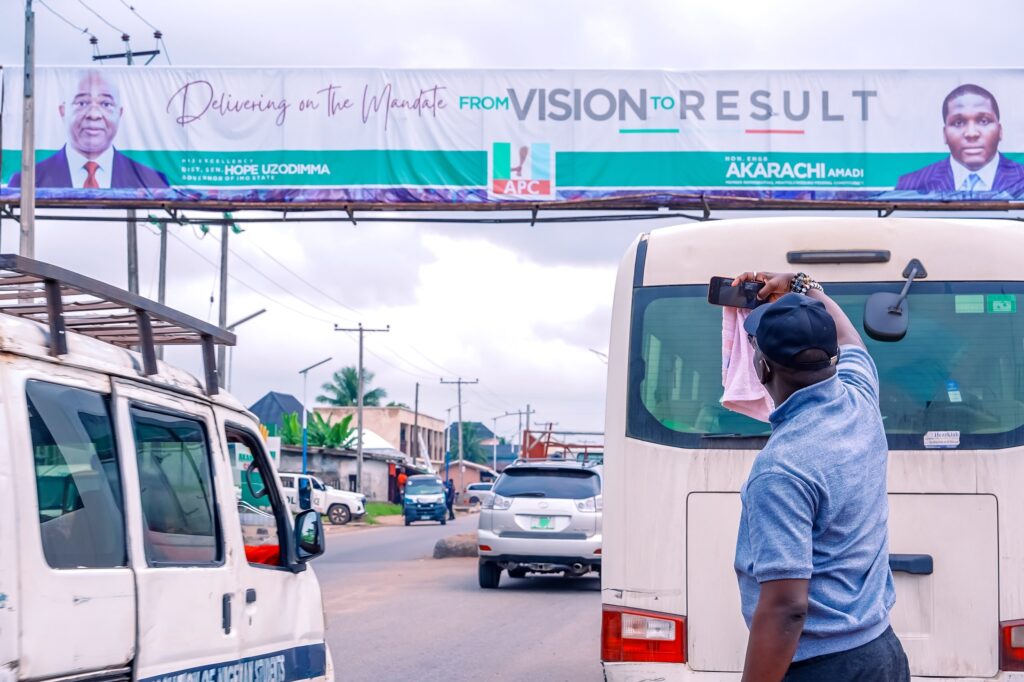
Today, that same stretch is almost unrecognisable. The reconstruction, flagged off in November 2020 under Governor Hope Uzodimma’s 3R Agenda, has transformed the 56-kilometre federal highway into a smooth, well-drained carriageway with clear lane markings and reinforced shoulders. I drove it last week and timed it: from Owerri to Okigwe, just over an hour. No swerving. No prayers. No rescue missions. The same applies to the Owerri–Mbaise–Umuahia road, which had also been a nightmare of eroded asphalt and missing culverts. Now, traders from Mbaise can transport their poultry and cassava to Umuahia without losing half their stock to rough handling and delays. A transport union official I spoke to at the Owerri motor park told me his members are saving at least 15,000 naira a week on repairs and tyre replacements. That is real money in the pockets of ordinary people.
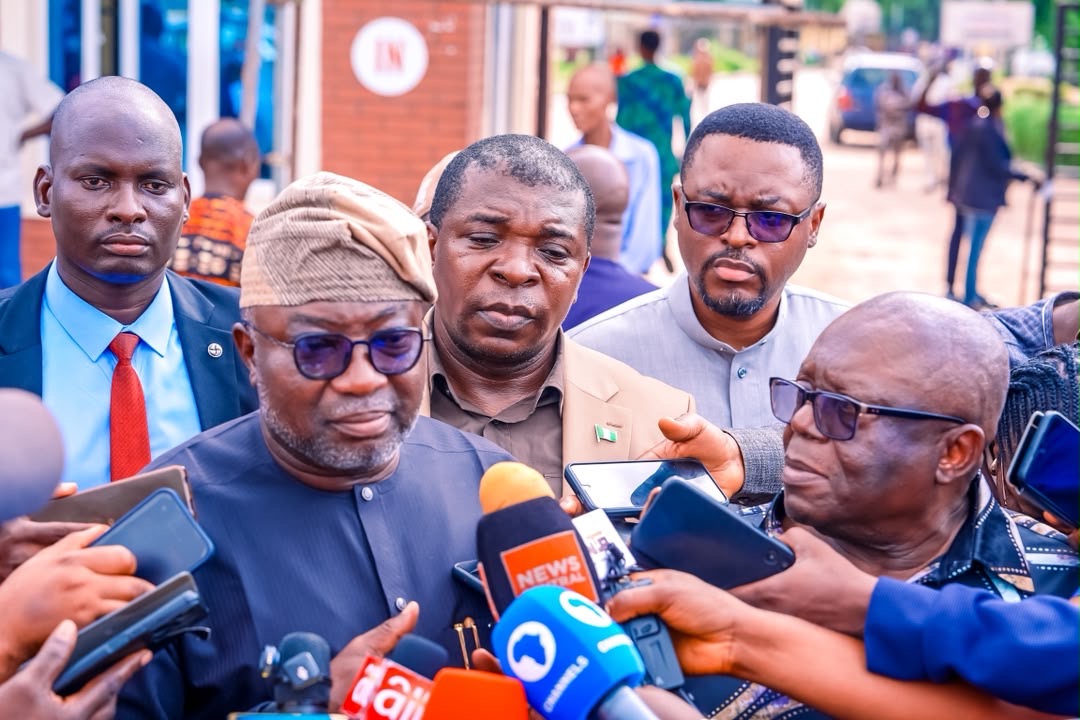
But the roads are only the beginning. During my tour, I made a stop at the College of Education, now in the final stages of its upgrade to a full-fledged university. The difference is not just in the signboard. Walking through the campus, I saw new lecture blocks under construction, laboratories being equipped with modern instruments and a library that is being digitised. A lecturer who has taught there for 18 years told me, with visible emotion, that the upgrade had restored morale among the faculty. “We were always treated as second-class,” he said. “Now we are part of the national university system. Our research can be published. Our students can compete.” The federal-state synergy on this project, as noted by Hon. Declan Emelumba, the Imo Commissioner for Information and Strategy, and emphasised by Mr Tunde Rahman, the Senior Special Assistant on Media and Special Duties to the President, has been critical. The federal government provided the policy backing and part of the funding, while the state handled the execution. It is a model that other states should study.
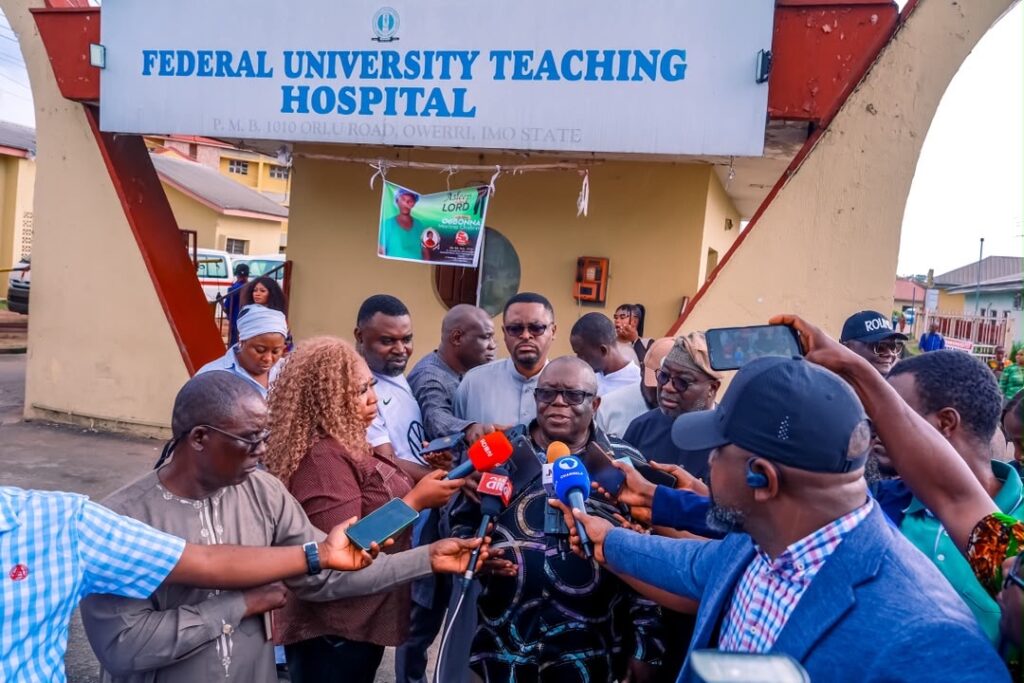
From there, I headed to the Federal University of Technology Owerri teaching hospital, which is undergoing a major revamp. I spent an afternoon walking through the wards and speaking with patients and staff. The hospital had fallen into such disrepair that many residents had given up on it, choosing instead to travel to Enugu or even Lagos for specialist care. Now, the renovation is visible everywhere: new diagnostic equipment, refurbished operating theatres, a functional blood bank and an emergency unit that actually has supplies. A young mother I met in the paediatric ward told me she had brought her child with severe malaria, expecting to be referred to a private clinic. Instead, she received prompt treatment and the child was recovering well. “I did not have to sell my furniture this time,” she said, laughing through tears. The hospital’s management also confirmed that the revamp has enabled them to resume postgraduate medical training, which had been suspended for years. This is not just about bricks and mortar; it is about saving lives and training the next generation of doctors.
My final stop was the Sam Mbakwe International Cargo Airport. For years, this airport was a symbol of wasted potential. I remember flying in a few years ago and being greeted by a broken conveyor belt and porters who had to carry luggage manually.
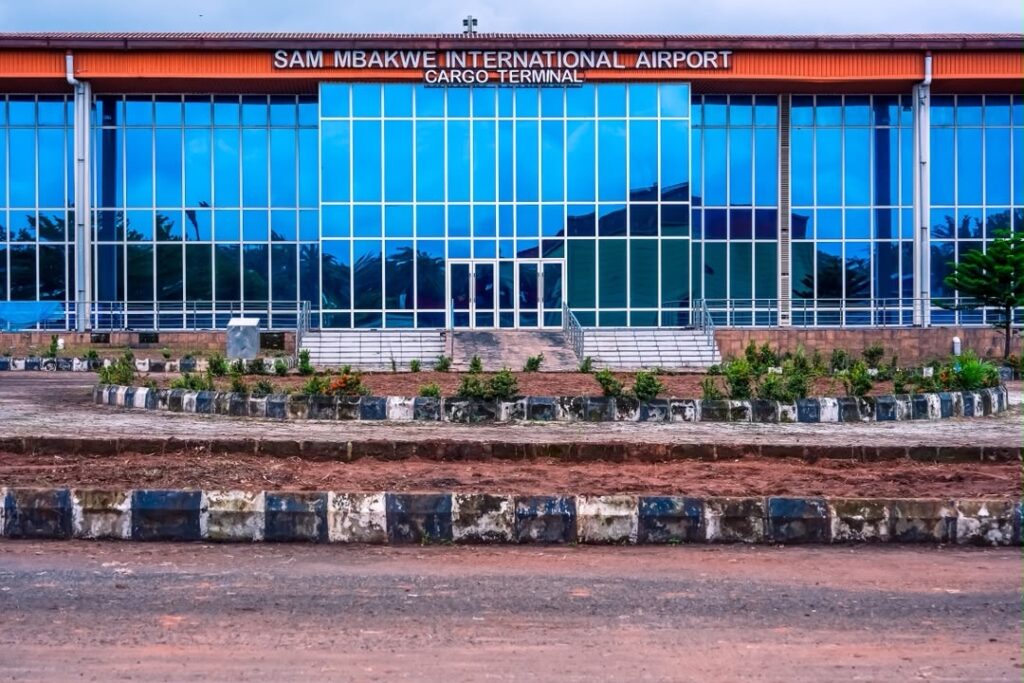
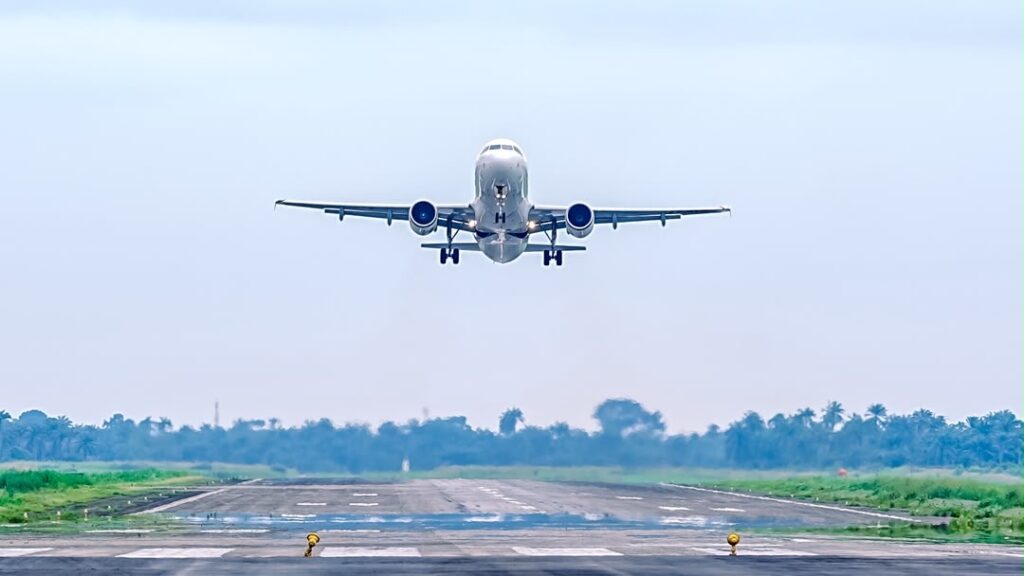
Today, the rehabilitation is unmistakable. The runway has been resurfaced, the terminal has been expanded and the cargo section is now functional, handling exports of agricultural produce to other parts of Nigeria and beyond. I spoke to a produce exporter who was loading a consignment of bitter leaf and dried fish for shipment to Lagos. He told me the airport’s revival had cut his logistics costs by nearly a third. “Before, I had to send my goods by road and they would arrive spoiled or damaged. Now, I can fly them out fresh, and I get better prices.” The airport is also attracting new airlines, which means more competition and lower fares for passengers.
What struck me most during this tour was not the scale of the projects but the coherence. Each development feeds into the other. The roads make it easier to reach the airport. The university supplies the skilled labour that will maintain the hospital and manage the airport’s logistics. The teaching hospital ensures that the workforce stays healthy. And the airport brings in the investment that sustains all of them. This is integrated planning, the kind that we rarely see in Nigeria, where projects are often announced with great fanfare and then abandoned. Here, the continuity is palpable. Bayo Onanuga, Special Adviser to the President on Information and Strategy State governments are partnering with the central government to deliver critical road infrastructure across the country and they may not necessarily be reimbursed for the road projects because the states see the value in how the President Tinubu-led federal government has created fiscal buffers for them. That clarification, which initially seemed like a technical detail, now makes perfect sense on the ground. It means the federal government is not just approving projects from Abuja; it is actively engineering their delivery, with technical supervision and quality assurance that meet national standards. This is a departure from the old system of reimbursements, which often trapped states in endless paperwork and delays.
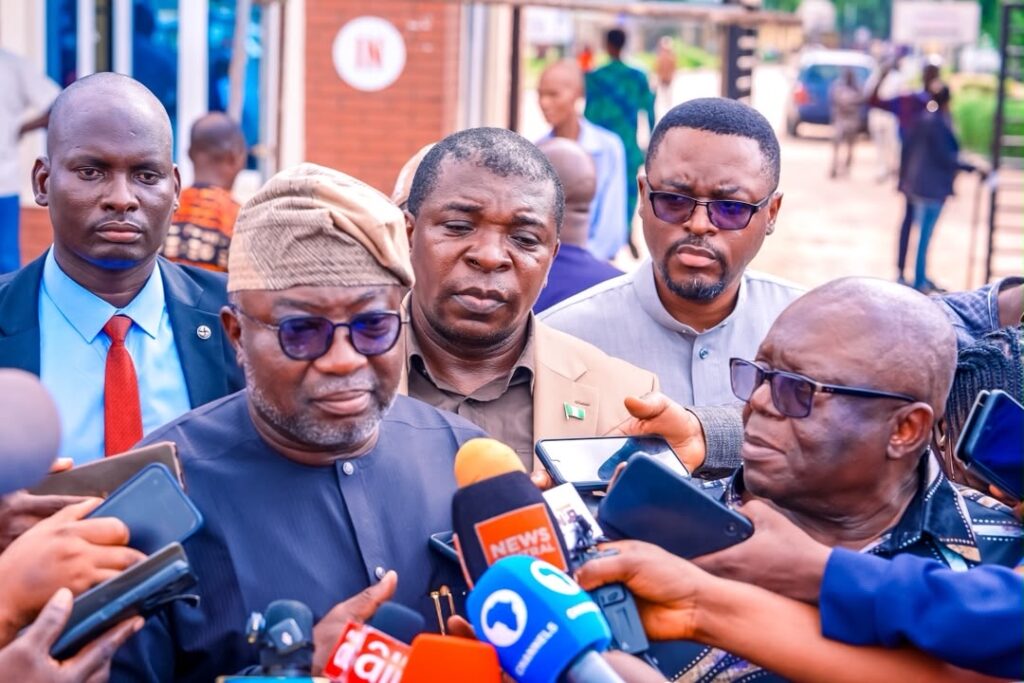
To be sure, there are challenges. Some sections of the roads still need finishing touches. The university upgrade is not yet fully complete. The hospital still lacks some specialised equipment. And the airport could use more cargo handling infrastructure. But the trajectory is unmistakably upward. The people I met along the way, from the transport union official to the lecturer, from the young mother to the produce exporter, all expressed cautious optimism. They have been disappointed before, but they also recognised that something different is happening this time. They mentioned Governor Uzodimma’s hands-on approach and President Tinubu’s Renewed Hope Agenda with a mix of hope and expectation, not as political slogans but as tangible forces that have improved their daily lives.
As a roving reporter, I have seen development projects across Nigeria that promised much and delivered little. Too often, the ribbon-cutting is the end, not the beginning. What I witnessed in Imo is different. It is still unfolding, and the final chapters have not been written. But the foundations are solid, the coordination is real and the benefits are already flowing to the people. The roads, the university, the hospital and the airport are not isolated achievements; they are the pillars of a broader vision. That vision, if sustained, could transform not just Imo but the entire South East and beyond. For now, the people of Imo are enjoying the fruits of that vision, and from what I have seen, they are not taking it for granted. Neither should the rest of Nigeria.