
By Captain (Dr.) Luqman Gidado, Ph.D.
February 7, 2026
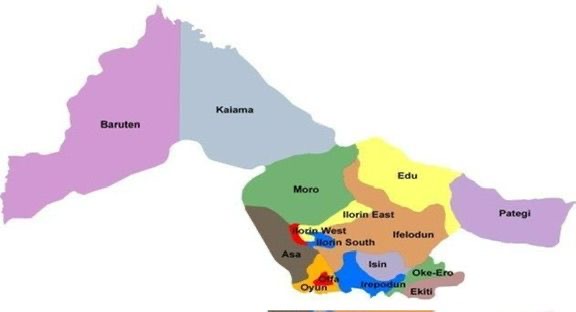
Nigeria is confronting profound grief and national outrage following the massacre of more than 160 civilians in Woro village, Kaiama Local Government Area of Kwara State. The attack, perpetrated on February 4, 2026, by suspected extremist and terrorist elements, has been described as one of the most devastating incidents in recent Nigerian history. Witnesses recounted how armed bandits stormed the community overnight, binding residents, executing them in cold blood, and setting homes ablaze. The brutality of the assault has shocked the nation and raised urgent questions about Nigeria’s ability to protect its citizens in vulnerable border regions.
President Bola Ahmed Tinubu responded swiftly, ordering the deployment of an army battalion under Operation Savannah Shield to secure Kaiama and prevent further incursions. While the move demonstrated federal resolve, the massacre exposes deeper structural weaknesses in Nigeria’s security architecture. It has reignited debate about whether the country’s reliance on reactive military deployments can ever deliver sustainable peace. For decades, insurgency was largely concentrated in the North-East, with states such as Borno, Adamawa and Yobe States bearing the brunt of extremist violence. The attack in Kaiama, however, signals a dangerous expansion of terrorists’ activity into the Middle Belt. Kwara’s geographic position along the Sahel corridor makes it particularly vulnerable to infiltration, smuggling, and recruitment networks. To this extent, the spread of insurgency into new theatres threatens Nigeria’s national cohesion and stretches its already overburdened security forces across multiple fronts. “This is not just a Kwara tragedy; it is a national crisis,”.
The Kaiama massacre shows that insurgency is no longer confined to any particular region. Nigeria must rethink its security strategy and act decisively to prevent further escalation. The tragedy also highlights the limits of Nigeria’s current approach. Reports revealed troops arrived only after the killings had taken place, underscoring the absence of effective early warning systems and rapid response mechanisms. Villagers were left defenceless against heavily armed militants, and the scale of the attack risks emboldening insurgents while undermining public trust.
To chart a new course toward a New Security Posture, Nigeria must move beyond rhetoric and embrace decisive, practical reforms. The primary responsibility of government at all levels is the protection of lives and property, and this obligation cannot be met through reactive measures alone. What is required is a comprehensive national security framework that anticipates threats, integrates advanced technology, strengthens institutions, and ensures coordinated force deployment. One critical step in advancing Nigeria’s security posture is the adoption of cutting-edge technology, particularly armed and surveillance drones. These systems provide persistent monitoring, enable real-time intelligence fusion, and deliver precision strikes against hostile targets. Experiences from countries such as Turkey and the United States demonstrate how unmanned aerial vehicles (UAVs) have transformed counterinsurgency operations, reduced ambushes and enhancing operational effectiveness. Nigeria must therefore not only expand its drone capabilities but also seek strategic assistance and partnerships in areas where domestic capacity remains limited, ensuring that our forces are equipped to meet evolving threats with speed and precision.
Equally important is the large-scale recruitment of police officers to relieve the military of routine internal duties. This measure will allow the armed forces to refocus on external defence and high-threat zones, while police and civil defence units assume responsibility for domestic protection. International models, such as India and Brazil, demonstrate how expanded police forces freed the military to concentrate on strategic defence priorities. However, recruitment alone is insufficient. It must be accompanied by improved welfare packages, modern training, and the provision of advanced combat equipment for the police, military, and other security agencies. Without adequate motivation, professional development, and access to modern tools of enforcement, expanded manpower risks becoming ineffective. Nigeria must therefore ensure that every new recruit enters a system that values professionalism, provides competitive welfare, and equips personnel with the technology and resources necessary to confront evolving threats.
Another key recommendation is the establishment of Joint Operations Rooms (JORs) in every state, integrating the military, police, DSS, civil defence, immigration, and fire services. Such structures would ensure real-time coordination and prevent the communication breakdowns that often delay responses. Nigeria must also develop a national military industrial complex, promoting domestic defence production and reducing reliance on foreign imports. Perhaps, one of the most urgent is the need to end piecemeal deployments of security agents. Small, lightly defended detachments are easily dislodged by adversaries, leaving communities exposed. Instead, Nigeria must deploy consolidated company or battalion groupings with mobility, intelligence, surveillance, and fire support. This shift would prevent insurgents from overwhelming isolated units and ensure sustained territorial control. At the same time, there is a pressing need for greater local engagement. Nigeria must entrench the role of non violent non state actors such as vigilante groups, community watch networks, and forest guards, integrating them into the broader security framework. These actors, already embedded within local communities, provide valuable intelligence, early warning, and grassroots resilience against insurgent infiltration. It is pertinent to stress that by formalising their contributions, offering structured training, and ensuring accountability, the state can harness their strengths while avoiding the risks of unregulated militias.
This layered approach of combining professionalised police forces, well-equipped military units, and empowered local actors will create a more robust and adaptive security architecture capable of responding to Nigeria’s evolving threats. Another critical recommendation is that the law must be firm on criminals to serve as a deterrent. Even upon apprehension, if all available facts establish that terrorists and other criminal elements have killed or maimed innocent Nigerians and security agents, they should be neutralized. Imprisonment alone is not always effective, as some terrorists do not fear incarceration and may exploit repeated jail terms. Strong and decisive legal measures are therefore essential to discourage such acts and safeguard national security.
The Kaiama massacre is far more than a local tragedy; it represents a defining moment in Nigeria’s security discourse and a test of the nation’s resolve. At this crossroads, Nigeria must decide whether to continue relying on reactive, piecemeal deployments that leave communities exposed, or to embrace a proactive and resilient security architecture. Such a posture must combine military strength with community engagement, technological innovation, and sustained socioeconomic investment. This tragedy underscores the urgency of moving beyond rhetoric to concrete action.
The protection of lives and property is the foremost duty of government, and failure in this regard erodes both legitimacy and national cohesion. By adopting advanced technologies, strengthening police capacity, empowering local actors such as vigilante groups and forest guards, and ensuring welfare and modern equipment for all security agencies, Nigeria can build a layered defence system that is both adaptive and enduring. As one Kaiama elder poignantly remarked, “We cannot bury our people every month. This must be the moment Nigeria says enough.” The massacre should therefore serve not only as a reminder of the costs of complacency but also as a catalyst for reform. If Nigeria seizes this moment to chart a new course, the bloodshed in Kaiama may yet mark the beginning of a stronger, more secure, and more sovereign future.
Dr. Luqman Gidado (Ph.D.) is an Abuja-based security expert, military veteran, public affairs analyst, researcher, consultant, and tutor. He can be reached at gidadoluqman@gmail.com or via @LuqmanAGidado on X (Twitter).