
By Humphrey Ukeaja
Nigeria is facing a slow-burning epidemic of non-communicable diseases (NCDs) driven by unhealthy diets, tobacco use, physical inactivity and harmful alcohol use, with cardiovascular diseases now a leading cause of adult death and disability. Recent estimates suggest hypertension prevalence is about 30–31% nationally, yet only 29% of people with hypertension are aware of their condition, 12% receive treatment and fewer than 3% have blood pressure under control, underscoring a dangerous treatment and financing gap in the health system. In Kano State alone, more than 30% of adults are estimated to have high blood pressure, contributing to rising rates of stroke, heart failure and kidney disease that Nigeria’s current budgetary allocations cannot adequately manage. As donor support for health declines globally and domestically, the question is no longer whether Nigeria can afford to expand health financing for NCDs, but how it will do so in a way that is both sustainable and aligned with public health goals.
For two decades, Nigeria has relied heavily on external partners to fund essential health programmes and system strengthening. The federal government recently warned that donor funding may fall by 15–20%. This external financing has been critical, but it has also left chronic conditions like hypertension, diabetes and cancer underfunded and highly vulnerable to global political and economic shocks. As developed countries recalibrate their priorities and shift away from funding long-term care in the global south, Nigeria cannot continue to depend on aid to underwrite NCD treatment and prevention; it must look inward and mobilise domestic resources that both raise revenue and change harmful consumption patterns.
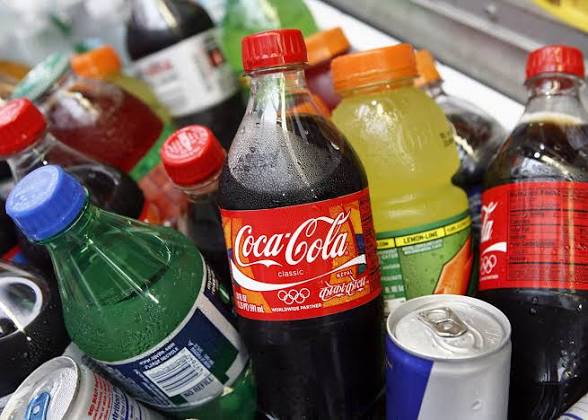
One of the most powerful tools available is pro health taxation, especially on unhealthy commodities such as sugar-sweetened beverages (SSBs) and ultra-processed foods. Nigeria introduced a 10 naira per litre excise tax on SSBs through the 2021 Finance Act, a crucial first step that put the country on the global map of fiscal measures for health. However, this flat rate does not yet meet the World Health Organization’s recommendation that SSB taxes raise retail prices by at least 20% to meaningfully reduce consumption and generate robust health and fiscal benefits. International evidence is clear: in Mexico, a roughly 10% soda tax led to an average 7.6% reduction in purchases of taxed beverages over two years, with even greater declines among low-income households, while purchases of untaxed drinks increased slightly, proof that people can and do switch to healthier alternatives when price signals are strong. Similar patterns have been observed in the UK and other countries that implemented SSB taxes, where taxes both reduced intake and became a predictable revenue stream for health and social programmes.
For Nigeria, the logic of strengthening and restructuring the SSB tax from a flat 10 naira per litre to an ad valorem percentage that achieves at least a 20% price increase is compelling. First, NCDs driven by high sugar and salt intake already impose enormous costs on households and the health system through lost productivity, catastrophic out-of-pocket spending, and pressure on tertiary facilities managing stroke, heart disease and advanced diabetes. Second, an adequately designed SSB tax is a classic “best buy”: it is low-cost to administer, politically transparent, and delivers a dual dividend, reducing demand for harmful products while raising revenue that can be earmarked for NCD screening, essential medicines, primary care, and health promotion. Third, shifting to a percentage-based structure indexed to inflation would prevent the tax from being eroded over time and send a clear, predictable signal to the beverage industry to reformulate products, reduce sugar content, and innovate around healthier options.
Crucially, pro health taxes also correct a profound asymmetry in the current food economy: companies that profit from selling products that undermine public health, sugary drinks, salty snacks, ultra-processed convenience foods, rarely bear the downstream cost of the hypertension, obesity and cardiovascular disease they help to fuel. As external donors step back, it is neither equitable nor sustainable for regular Nigerians and an already constrained federal budget to continue absorbing these costs alone. Making the food and beverage industry part of the solution through fiscal policy is not a punishment; it is an overdue alignment of incentives. Higher, WHO aligned SSB taxes, paired with the gradual introduction of taxes or regulatory measures on other ultra-processed, high-sodium products, would push companies to reformulate, scale down portion sizes, and diversify portfolios while contributing fairly to the domestic health financing pool that sustains the very consumers they target.
The way forward is clear and politically viable. Nigeria should urgently amend its SSB tax to a tiered, percentage-based excise that raises retail prices by at least 20%, ring-fencing a portion of the proceeds for NCD prevention and care at primary and secondary levels, while strengthening the Basic Health Care Provision Fund and National Health Insurance Authority as channels for pro-poor coverage. Complementary “best buy” measures, such as front-of-pack warning labels, restrictions on marketing to children, and sodium reduction targets for key food categories, would amplify the impact of fiscal policy and send a coherent signal that Nigeria is serious about safeguarding population health.
Humphrey Ukeaja, a Public Health Advocate writes from Abuja and can be reached via: humphreyeukeaja@gmail.com