
By Babajide Fadoju
From the moment I stepped off the plane at Makurdi Airport, the capital of Benue State, and made my way toward my hotel in the Government Reserved Area, one thing was immediately clear: the entire city had become one vast construction site. Cranes reached into the sky, excavators moved with steady purpose, and teams of workers in bright hard hats moved like a living organism, reshaping the landscape brick by brick and beam by beam. The air carried the sharp, clean scent of fresh asphalt mixed with the steady rhythm of heavy machinery, a sound that felt like the pulse of a state finally waking from long years of neglect. Roads were being widened, bridges rose from riverbeds that had once served as barriers, and new buildings appeared almost overnight to meet the needs of a growing population. What I saw was not chaos, but deliberate, determined progress.
No wonder people call the Governor “Yes Fada.” Reverend Father Hyacinth Alia, once a priest who spoke of compassion from the pulpit, has brought those same teachings into the everyday work of governing. He has turned the most important commandment of our Lord Jesus Christ, to love your neighbor as yourself, into something visible and tangible. In the church he preached service and upliftment. As Governor, he lives it out through action. The truest way a leader can show love for the people is to improve their lives and deliver the real benefits of democracy right to their doorsteps. In Benue today, that is precisely what is happening. New roads link remote villages to bustling markets. Bridges connect communities that rivers once divided. Infrastructure projects bring vitality to both rural hamlets and modern town centers.
The Nigeria Labour Congress in the state has affectionately nicknamed him “Governor Arrears” and “Governor Alia” for very good reasons. He ensures civil servants receive their salaries on the 25th of every month without fail. On the 27th, he clears inherited arrears left by previous administrations. Pensions for retired workers are paid in the same month. All of this happens while massive resources continue to flow into infrastructure that reaches every corner of the state, from isolated rural communities to growing urban centers. This is more than sound financial management. It is a complete approach to leadership that puts people first and politics second. As Onyehulem and Musa explained in their 2023 study on fiscal discipline in Benue, these consistent payments have restored economic stability and created the foundation for long-term investment in physical development.
Now let us look more closely at how Governor Alia is reshaping Benue through an extraordinary focus on construction, gradually transforming the “Food Basket of the Nation” into a shining example of modern infrastructure.
The Road to Progress: A Network of Connectivity
The cornerstone of Governor Alia’s construction agenda is an ambitious road-construction program that has already delivered hundreds of kilometers of new and rehabilitated highways, effectively closing the gap between long-standing promises and visible reality. In December 2025, he announced the start of a 500-kilometer road network that includes 78 culverts and bridges, made possible through a €25 million intervention from international partners. This is no empty announcement. It is a carefully planned effort to improve transportation, expand trade, and end the isolation that has held back rural communities for generations. Picture the smallholder farmer in Guma Local Government Area who once lost days and large portions of his harvest simply trying to reach the market on broken, muddy tracks. Today, that same journey is faster, safer, and far less costly. His produce arrives fresher and fetches better prices, directly lifting his family’s standard of living.
By August 2025, the administration had already completed or was actively constructing more than 390 kilometers of roads across all twenty-three local government areas, according to statements from the Governor’s Chief Press Secretary. Within Makurdi itself, sixteen major roads were flagged off for reconstruction, turning the once-congested capital into a far more functional and attractive urban center. Among the most impressive achievements is the new underpass in Makurdi, a sophisticated piece of engineering that has dramatically reduced traffic gridlock while adding an element of modern elegance to the city. Solar-powered streetlights now line many of these routes, improving both safety and aesthetics, especially at night. These improvements have continued even against the backdrop of security challenges, proving that people-centered development remains the priority.
Rural communities have received equal attention. Contracts have been awarded and work has begun on critical rural roads in Guma, Gwer East, Gwer West, Kwande, Agatu, Ado, and many other areas, ensuring that governance reaches even the most distant villages. The asphalting of the Ayihe–Yakyor Road, which links George Akume Way to Yakyor Road, began in November 2025 and promises to improve traffic flow and strengthen urban connectivity. To mark Democracy Day in 2025, another 400 kilometers of road projects were approved, underlining the Governor’s determination to make development truly inclusive.
These roads are far more than strips of pavement. They are lifelines. As Aper observed in his 2024 analysis published in The Pavilion, the transparent handling of emergency management and infrastructure budgets has earned widespread public confidence, allowing projects to move forward smoothly and efficiently.
The results are already measurable. Rebuilt roads have shortened travel times, eased congestion, and improved security, particularly in urban zones. In Gboko and Makurdi, ongoing inspections of major reconstructions such as the Gboko-Makurdi corridor show an unwavering emphasis on quality and durability. The federal government has publicly acknowledged this dedication, describing the Wurukum Flyover as a “gift” from President Bola Tinubu in recognition of Governor Alia’s commitment to infrastructure excellence. Underpasses in both Makurdi and Gboko, nearing completion by mid-2025, demonstrate a clear focus on smarter urban mobility.
These initiatives flow directly from the blueprint outlined in Agba and Idoko’s 2023 journal article on industrialization and job creation in Benue. Together, they have generated thousands of direct and indirect jobs, injecting vitality into local economies. Beyond employment, the social and economic benefits are profound. In a state long affected by farmer-herder tensions, improved roads enable faster security responses and better market access, helping to ease conflict. Ukan’s 2023 examination of insecurity in Benue makes clear how closely infrastructure is linked to peace-building efforts.
In March 2025, the administration approved ₦149.5 billion specifically for infrastructure, including the construction of a five-span bridge at Mu. This level of investment is tackling long-standing transportation bottlenecks with determination and transforming both urban and rural landscapes in the process.
Bridging Divides: Water, Electricity, and Essential Utilities
Governor Alia’s construction efforts reach well beyond roads into the very foundations of daily life: water, electricity, education, and healthcare.
The “Light Up Benue” initiative has brought solar mini-grids and thousands of streetlights to more than 200 rural communities, delivering reliable power where it was once scarce or nonexistent. This has lowered energy costs, enabled small businesses to operate after dark, and improved safety across entire villages.
Water supply has seen equally impressive gains. The Greater Makurdi Water Scheme was comprehensively rehabilitated in 2025, increasing its capacity by half and serving over 300,000 residents with clean, consistent water. Hundreds of new solar-powered boreholes now serve rural areas, ensuring sustainability even during dry seasons.
In education, more than 300 new primary schools have been built, and many featuring multi-story designs never before seen in the state. Children who once learned under trees now study in modern classrooms equipped with libraries, laboratories, and safe playgrounds. Enrollment has risen noticeably as parents see real improvements. Fifty-two additional schools were renovated in 2025, and the recruitment of 9,000 new teachers has strengthened the entire system.
Healthcare infrastructure tells a similar story of renewal. The Benue State University Teaching Hospital has been transformed through major rehabilitation work, with staff growing from 900 to over 3,000 and ₦13 billion invested in cutting-edge equipment, including a dedicated cancer center and advanced diagnostic laboratories. What was once described as a place of last resort has become a regional center of excellence, dramatically reducing the need to refer patients elsewhere.
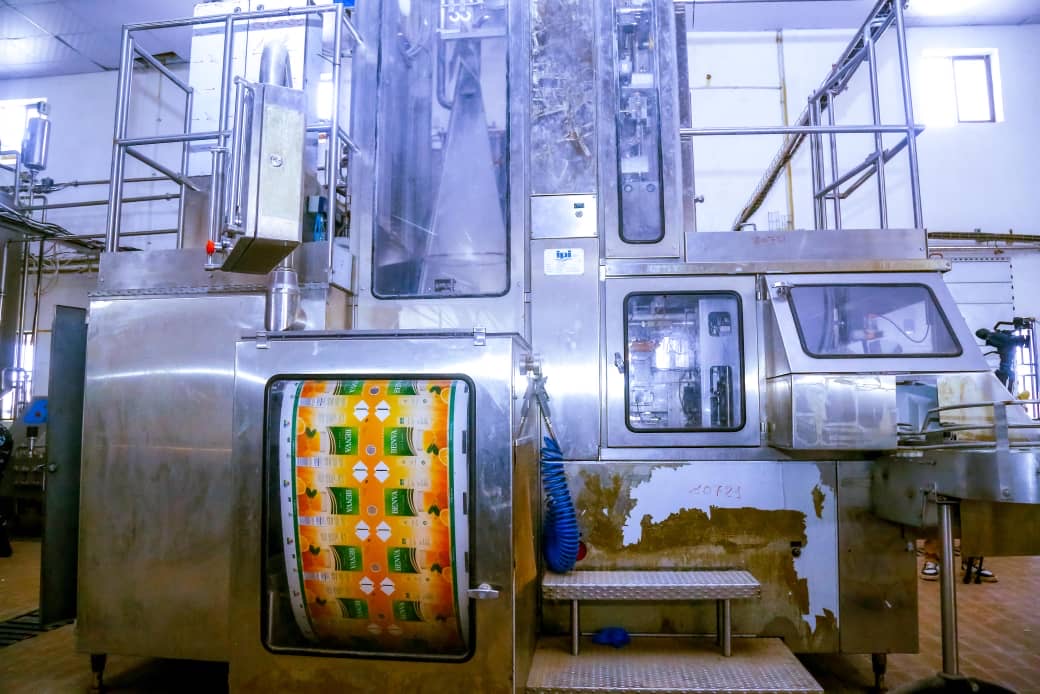
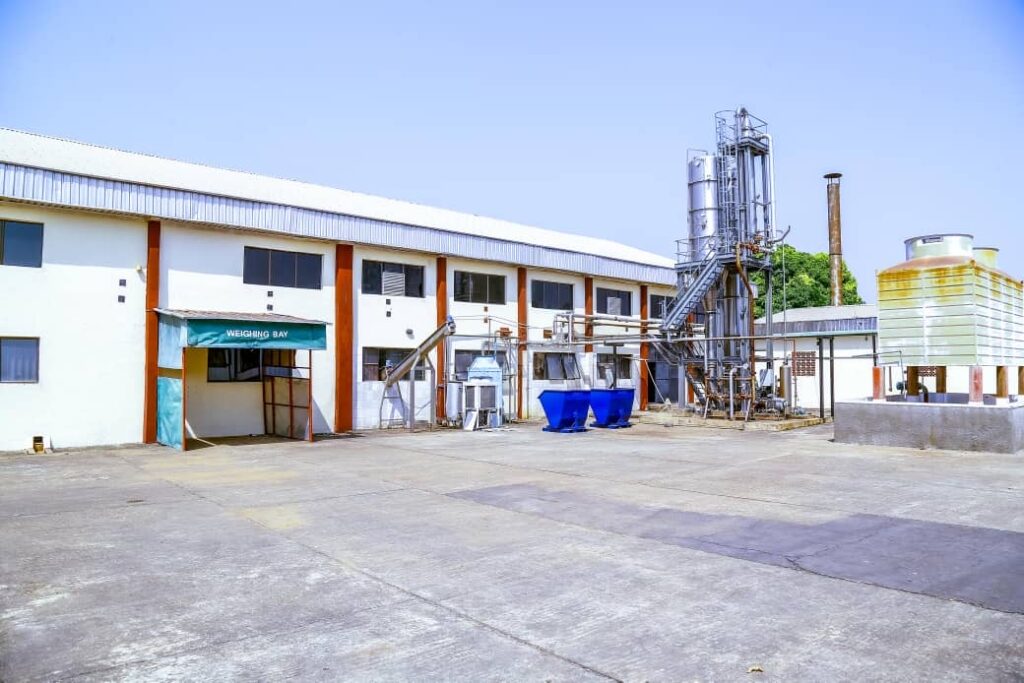
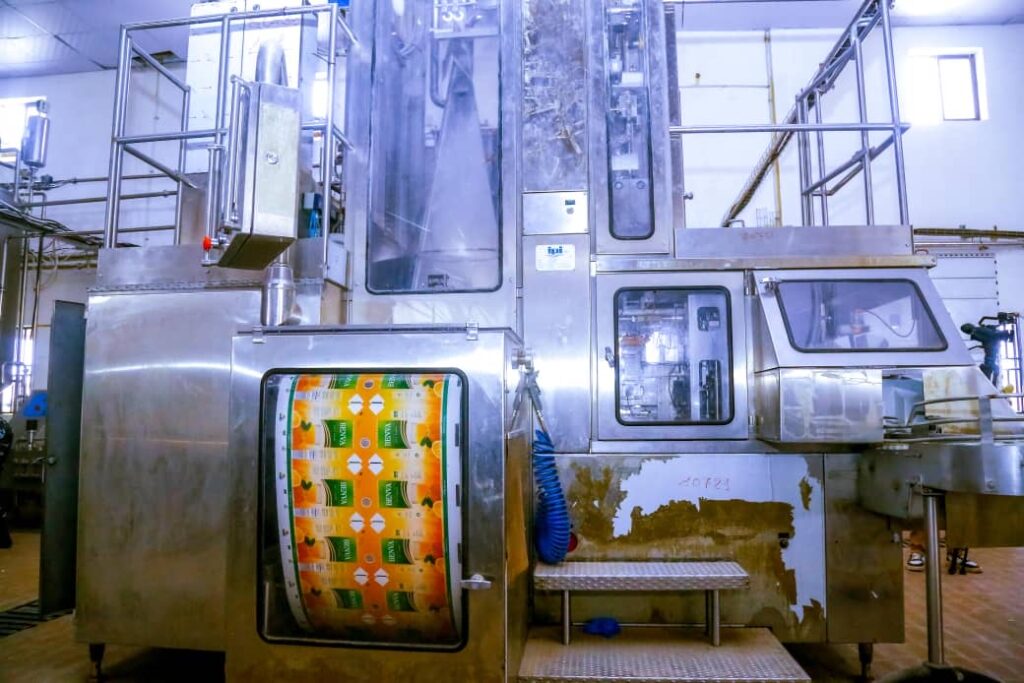
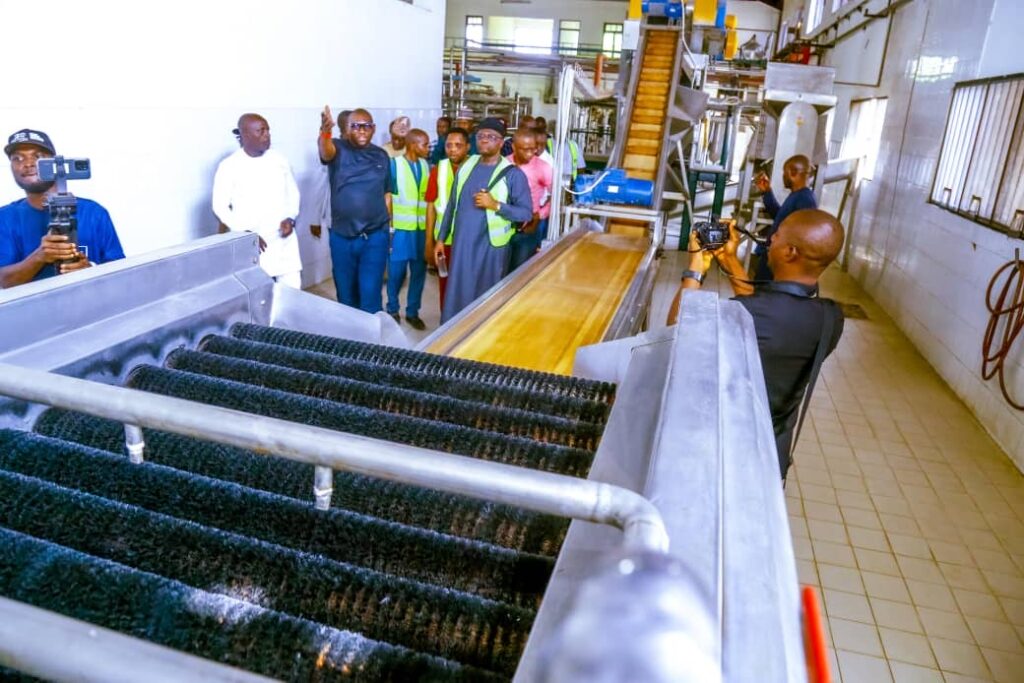
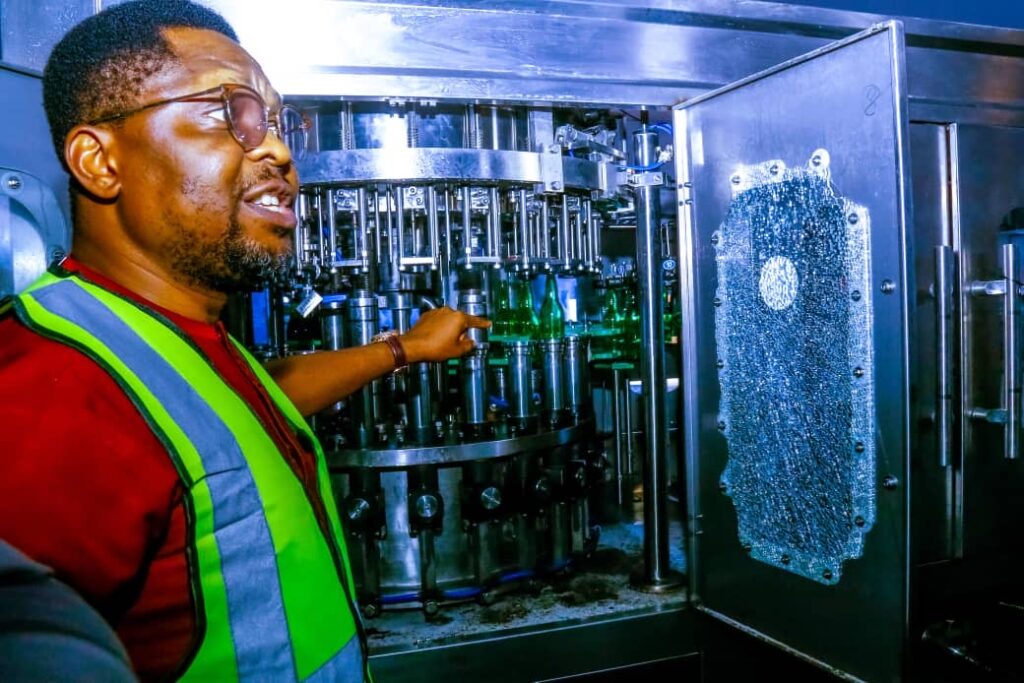
The industrial revitalisation programme of the governor has played a vital role in reviving Benue’s economy. The long-dormant Benue State Juice Factory (Benva) and Food Basket Brewery (ZEVA Beer) have been rebuilt and modernized, now processing local fruits at scale and creating hundreds of jobs while supporting thousands of farmers. Additional factories producing nylon and nails have been commissioned, further expanding light manufacturing and stimulating related industries such as packaging and transport.
Digital infrastructure is another key pillar. Through the Benue Digital Infrastructure Company and partnerships such as the 2025 MoU with EVNT Technologies, the state has rolled out extensive fiber-optic networks and secure digital platforms for health and education services.
On the housing front, multiple estates featuring hundreds of units for low- and middle-income families have been developed, helping to reduce urban overcrowding and improve living standards.
A Legacy in Concrete: Overcoming Challenges, Securing Triumphs
Security threats and funding constraints remain real, yet progress continues unabated. The ₦695 billion 2026 budget, signed at the end of 2025, allocates substantial resources to rural infrastructure and declares an end to long-standing neglect in the countryside.
High-profile visits, including one by Nobel laureate Wole Soyinka, have brought global attention and opened doors to further investment.
In the end, Governor Hyacinth Alia’s construction-driven leadership is doing far more than erecting buildings and paving roads. It is rebuilding hope, restoring dignity, and creating a Benue where opportunity is no longer a distant dream but a daily reality. Through every completed project, every new bridge, every illuminated street, and every revitalized hospital ward, he continues to demonstrate what it truly means to love one’s neighbor through the work of governance.
As Benue rises, so does the confidence of its people that a brighter, more connected, and more prosperous future is no longer just a promise; it is under construction right now.