By Yusuf Ali
The resurfaced campaign statement by President Bola Ahmed Tinubu—“If I don’t give you electricity, don’t vote for me… unless I give you adequate reasons why I couldn’t deliver”—must be understood in its full context, not as a standalone soundbite.
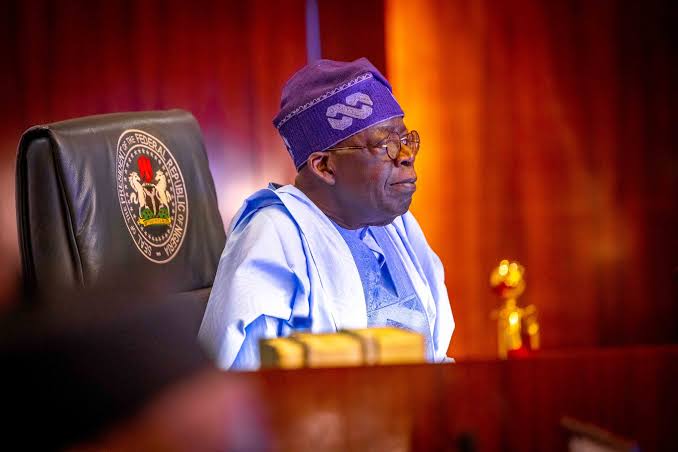
First, the President did not make an absolute promise detached from reality. He clearly inserted a condition: “unless I give you adequate reasons.” That clause is critical. It reflects an acknowledgment that Nigeria’s power sector challenges are deeply structural, long-standing, and cannot be resolved overnight by mere political will.
Nigeria’s electricity crisis did not begin in 2023. It is the cumulative result of decades of underinvestment, weak transmission infrastructure, liquidity crises in the sector, and policy inconsistencies spanning multiple administrations. Any honest assessment must recognize that no government inherits a clean slate in the power sector.
Since assuming office, the Tinubu administration has taken steps aimed at addressing these structural bottlenecks. These include reforms in the electricity market, efforts to decentralize power generation through state-level participation, and initiatives to stabilize the national grid. While these measures may not yet have translated into immediate, uninterrupted power supply, they represent foundational work necessary for sustainable improvement.
Moreover, recent fluctuations in electricity generation—such as grid instability and generation drops—are technical challenges that even advanced economies occasionally face. What matters is the government’s responsiveness and long-term corrective strategy, not isolated setbacks.
It is also important to note that campaign rhetoric often simplifies complex policy goals into relatable promises. However, governance demands navigating economic realities, global energy shocks, and legacy constraints—factors that were not static between 2022 and today.
Therefore, rather than dismissing the President’s statement as unfulfilled, it is more accurate to evaluate whether he is providing “adequate reasons” and taking credible steps toward delivery. On both counts, there is evidence of ongoing reform and engagement with the sector’s core issues.
In conclusion, President Tinubu’s words should not be weaponized without acknowledging the qualifying condition he himself provided. The real test is not instant perfection, but whether his administration is laying the groundwork for a stable and functional power sector—and on that front, the process is clearly underway.
Yusuf Ali Media Aide to Governor Mai Mala Buni CON